
How Much Does a North Carolina State Inspection Cost?
If you’re wondering “How much does a North Carolina State Inspection cost?” the answer is…
Maintain your vehicle’s optimum performance with our professional hose services. Our experienced technicians specialize in inspecting, diagnosing, and replacing coolant hoses, oil hoses, and power steering hoses to prevent leaks and failures. Schedule your hose service today to safeguard your engine and cooling system against potential damage!
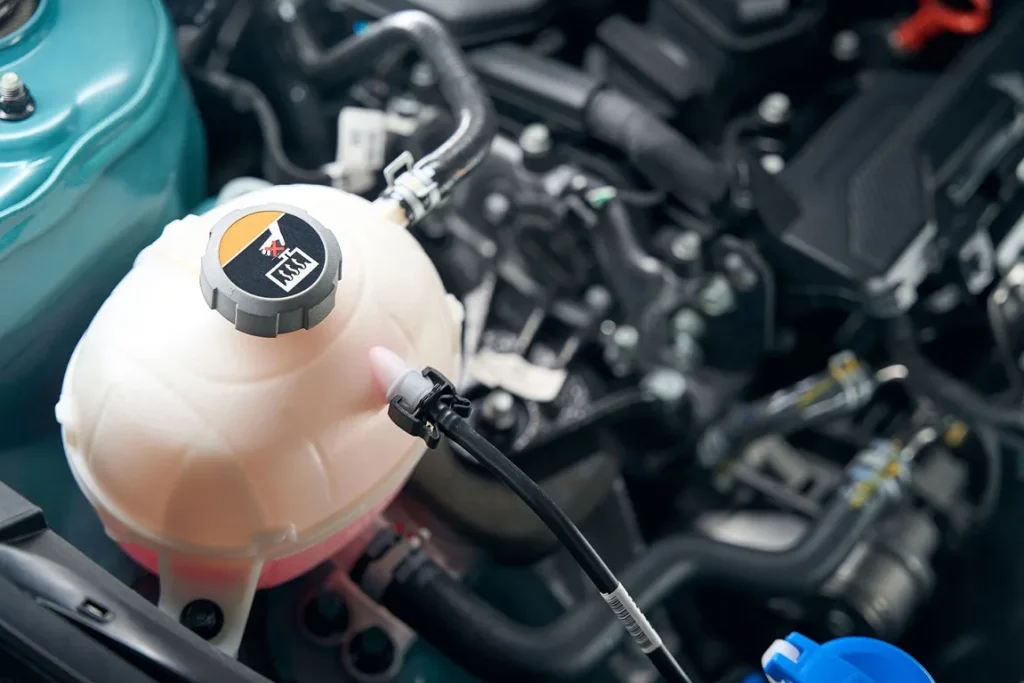
Vehicle hoses play a critical role in transporting essential fluids that keep the engine and other systems operating properly. Routine hose inspections help identify early signs of wear that could lead to leaks or system failure. Coolant hose inspections check for cracks, swelling, soft spots, or leaks that may affect proper coolant circulation and lead to engine overheating. Oil hose examinations help detect deterioration or leaks that could reduce engine lubrication and cause internal damage. Regular hose maintenance helps maintain reliable fluid flow and protects key engine components.
Advanced hose services may include replacement of worn or damaged coolant hoses to maintain proper engine temperature and cooling system efficiency. Upgraded oil hoses may also be installed to improve durability and prevent oil leaks under demanding operating conditions. Power steering hose inspections and replacement help ensure smooth steering operation while preventing fluid leaks that could affect steering performance. Replacing aging hoses helps reduce the risk of unexpected failures and supports long-term vehicle reliability.
Hose service needs can vary depending on vehicle age, mileage, climate conditions, and overall system wear. Some vehicles may only require routine hose inspections during scheduled maintenance, while others may need hose replacement due to cracking, swelling, or fluid leaks. Exposure to heat, engine vibration, and temperature changes can gradually weaken hoses over time. Visible leaks, low fluid levels, or unusual engine odors may indicate that hose service is needed. A professional inspection helps determine whether hoses require maintenance or replacement to maintain proper system operation.
Hose service availability may vary depending on parts supply, equipment, and technician availability. Confirming service options in advance helps ensure the proper components and tools are available.
Schedule service online or contact a service advisor to discuss hose inspections, fluid leak repairs, or hose replacement services for your vehicle.

We employ state-of-the-art diagnostic equipment to accurately detect any signs of wear, tear, and leaks in your vehicle’s hoses. Our meticulous inspections help prevent coolant and oil leaks, ensuring your vehicle runs smoothly and efficiently.

We provide high-quality hose replacements that meet or exceed OEM standards. Whether you need new coolant hoses to prevent overheating or oil hoses to avert leaks, our services ensure maximum reliability and longevity.

Our team understands the value of your time, focusing on quick yet thorough hose inspections and replacements to minimize downtime. Trust us to keep your vehicle in top operational condition with minimal disruption to your schedule.

Locate our trusted hose repair and replacement services in your area to ensure your vehicle remains reliable and leak-free. Don’t let worn hoses put your engine at risk. Book a detailed hose inspection with us today and enjoy a safer, more reliable driving experience. Your vehicle’s integrity is our priority – act now!
Hoses are critical components of your vehicle, but they can fail over time. Understanding the common failure points can help you mitigate risks associated with hose failures.
Regular inspection and maintenance are crucial for addressing these issues promptly, ensuring safety and reliability on the road.
If you’re wondering “How much does a North Carolina State Inspection cost?” the answer is…

At Chapel Hill Tire, we’re focused on making tire buying simpler, clearer, and more aligned…

When it’s time to replace your tires , many drivers default to the dealership. It…

The Subaru Outback is known for its reliability, all-wheel drive capability, and ability to handle…

If your mechanic recommends new brake pads, you might wonder: Do I also need to…

When bringing your vehicle in for service, most drivers focus on explaining the symptoms they’re…

Strange car noises can be stressful. Is that squeal something minor, or a sign of…

If you have shopped for a newer vehicle recently, you may have noticed something surprising.…

The Ford F-150 has earned its reputation as one of America’s most reliable and capable…
Vehicles have several critical hoses that include coolant hoses, which carry antifreeze to and from the engine and radiator; oil hoses, which transport oil needed for lubrication; power steering hoses, which assist in transferring hydraulic fluid in the steering system; and AC hoses, which carry refrigerant in the air conditioning system.
Hoses should be checked regularly for signs of wear such as cracking, hardening, or softening and swelling. Leaks, noticeable fluid loss, or a decrease in system efficiency (like heating, cooling, or steering issues) also indicate that hose replacement may be necessary.
Hoses can deteriorate due to several factors including age, thermal cycling (repeated heating and cooling), exposure to chemicals, and physical damage from abrasion or mishandling. Regular inspections help identify potential failures before they become serious.
Replacing hoses involves draining any fluids, removing the failed hose, inspecting and possibly replacing related components (like clamps and fittings), installing a new hose, and refilling the system with the appropriate fluid. It’s essential to use the correct type and size of hose for each application.
There is no universal schedule for hose replacement as it depends on the type of hose, vehicle usage, and environmental conditions. However, most manufacturers recommend inspecting hoses every 12,000 to 15,000 miles and replacing them as needed based on their condition.
Replacing some hoses, like certain coolant hoses, can be a straightforward DIY job. However, others, such as AC lines or power steering hoses, may require special tools and knowledge due to their complexity and the importance of proper installation. For these, it’s often best to consult a professional mechanic.
Delaying hose replacement can lead to critical failures in the respective systems, such as engine overheating from a burst coolant hose, reduced engine lubrication from a leaking oil line, compromised steering from a failing power steering hose, or loss of air conditioning functionality.
The time required can vary significantly based on the hose’s accessibility and the complexity of the system. Simple hose replacements might take an hour, whereas more involved jobs like replacing AC hoses could take several hours.
You can schedule hose replacement by contacting our service center directly via phone, using our online booking tools on our website, or visiting our shop in person during business hours.