
How Much Does a North Carolina State Inspection Cost?
If you’re wondering “How much does a North Carolina State Inspection cost?” the answer is…

Maintain the reliability and efficiency of your vehicle’s electrical systems with our expert electrical services. From battery issues to complex wiring problems, our skilled technicians are equipped to diagnose and repair all types of electrical malfunctions. Book your electrical system service now to keep your vehicle running smoothly and reliably.

A properly functioning electrical system is essential for reliable vehicle operation and the performance of many modern vehicle features. Standard electrical maintenance often includes inspecting and replacing worn fuses or relays that control various electrical components throughout the vehicle. Battery maintenance is also important and may include cleaning battery terminals, checking fluid levels when applicable, and ensuring all electrical connections are secure. These services help maintain stable power distribution and reduce the risk of electrical interruptions. Routine electrical system checks can also help detect small issues before they affect vehicle performance.
Advanced electrical services focus on diagnosing and repairing more complex electrical concerns. Comprehensive electrical system diagnostics may be used to identify wiring faults, sensor issues, or intermittent electrical problems that affect vehicle operation. Electrical system repairs can address both major and minor issues to restore proper system performance. Custom electrical modifications may also be performed to support specialized equipment, upgraded components, or performance-related electrical needs. These services help ensure the electrical system operates safely and efficiently.
Electrical system service needs often vary depending on vehicle age, electrical load, driving conditions, and overall system complexity. Some vehicles may only require simple fuse replacement or battery maintenance, while others may benefit from more detailed electrical diagnostics. Warning lights, intermittent power issues, slow engine starting, or malfunctioning accessories may indicate that electrical service is needed. Vehicles equipped with additional electronics or aftermarket accessories may also require specialized electrical inspection. A professional evaluation helps determine the most appropriate electrical service based on system condition and vehicle requirements.
Electrical service availability may vary depending on diagnostic equipment, parts supply, and technician availability. Confirming service options in advance helps ensure the proper tools and components are available.
Schedule electrical system service online or contact a service advisor to discuss electrical diagnostics, battery maintenance, or electrical system repair options.

Unlock the potential of your vehicle's electrical system with our Advanced Electrical Diagnostics. Our skilled technicians employ cutting-edge tools and expertise to pinpoint and resolve issues swiftly and accurately. Trust us for precise diagnostics and effective solutions, ensuring your vehicle stays powered and performing at its best.

Experience peace of mind with our Expert Electrical Repairs and Maintenance services. Our skilled technicians specialize in diagnosing and resolving electrical issues with precision and efficiency. Whether it's routine maintenance or complex repairs, we ensure your electrical systems operate safely and reliably. Trust us to keep your home or business powered up and running smoothly.
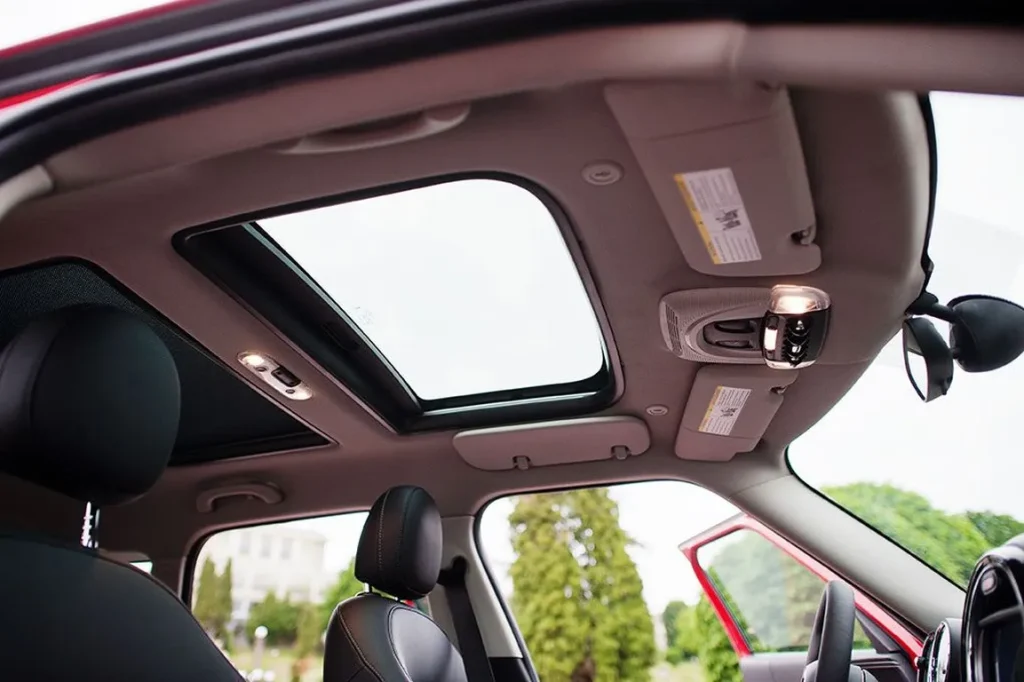
Understanding the critical role of electrical systems in modern vehicles, we provide efficient and meticulous services to minimize downtime and ensure your vehicle operates at its best.

Discover our trusted electrical system repair and maintenance services nearby to ensure your vehicle is always ready to perform. Don’t let electrical issues hold you back. Book a comprehensive electrical check with us today and drive with confidence. Your vehicle’s electrical integrity is our priority—act now!
Modern vehicles depend on sophisticated electrical and electronic systems. Here are the key reasons these systems may fail:
Routine checks can identify and address these issues early, maintaining the functionality and safety of your vehicle’s electronics. If you experience unusual electrical behavior, consult a professional mechanic promptly.
If you’re wondering “How much does a North Carolina State Inspection cost?” the answer is…

At Chapel Hill Tire, we’re focused on making tire buying simpler, clearer, and more aligned…

When it’s time to replace your tires , many drivers default to the dealership. It…

The Subaru Outback is known for its reliability, all-wheel drive capability, and ability to handle…

If your mechanic recommends new brake pads, you might wonder: Do I also need to…

When bringing your vehicle in for service, most drivers focus on explaining the symptoms they’re…

Strange car noises can be stressful. Is that squeal something minor, or a sign of…

If you have shopped for a newer vehicle recently, you may have noticed something surprising.…

The Ford F-150 has earned its reputation as one of America’s most reliable and capable…
Electronic system repair involves diagnosing and fixing issues with a vehicle’s electrical components. This can include the onboard computer systems, wiring harnesses, sensors, entertainment systems, and digital dashboards, as well as navigation, communication, and driver assistance technologies.
While there’s no set schedule for electronic checks, it’s advisable to have your systems looked at as part of regular vehicle servicing, or immediately if you notice any problems like dashboard warning lights, erratic system behavior, or malfunctions in electronic devices.
Common signs include:
Unexplained battery drain. Warning lights on the dashboard. Non-responsive or erratic behavior from electronic components (e.g., touchscreens, digital displays). Issues with car stereo or navigation systems. Problems with automatic locking mechanisms or key fob functions.
A typical diagnostic involves connecting your vehicle’s computer system to a scanner that reads various data points to identify error codes and malfunctions. This test can pinpoint issues within the vehicle’s electronic circuits and software, helping technicians recommend the necessary repairs.
Due to the complexity and the need for specialized tools and software, it is generally not recommended for individuals without training to attempt major electronic repairs. Small tasks, like changing fuses or replacing easily accessible sensors, can be done at home, but diagnosing and repairing more complex systems should be left to professionals.
Professional electronic system repairs require tools such as OBD (On-Board Diagnostics) scanners, multimeters, oscilloscopes, and specific software for diagnosing the system and programming electronic units.
Costs can vary widely based on the type of repair, the make and model of the vehicle, and the labor involved. Simple issues like sensor replacements may cost a few hundred dollars, while complex repairs involving major components like the ECU (Engine Control Unit) can run into the thousands.
Ignoring electronic system issues can lead to more serious problems, including vehicle malfunctions, safety system failures, decreased vehicle performance, and increased repair costs over time. In some cases, it could also lead to vehicle breakdowns.
Maintaining your vehicle’s electronic systems involves keeping software up to date, ensuring that the vehicle’s battery and alternator are in good condition, and having regular diagnostics performed by a professional. It’s also important to keep electronic contacts and connections clean and secure.
One common misconception is that a vehicle’s electronic systems are so sophisticated that they require no maintenance. In reality, like any other part of a vehicle, electronic components can wear out and fail, and thus need regular checks and maintenance to function properly.
Common causes of power window malfunctions include:
Blown fuses or relays. Faulty window motors or switches. Damaged wiring or connections. Off-track windows due to mechanical issues. Worn out regulators (the mechanism that moves the window up and down).
To troubleshoot a non-functioning power window, you can:
Check the fuse and replace it if necessary. Listen for any noise from the motor when pressing the window button, which can indicate whether the motor is still trying to work. Inspect the switch for any signs of damage or wear. Consult a professional to check the wiring and motor if simple checks don’t resolve the issue.
Signs that your power locks may be malfunctioning include:
Locks that are slow to respond or don’t respond at all. Locks that operate inconsistently. Unusual noises when trying to lock or unlock. One door not locking or unlocking with the rest.
Power lock failures can be caused by:
Faulty actuators (the device that actually moves the locks). Dead batteries in key fobs. Blown fuses. Damaged or corroded wiring. Malfunctioning central locking module.
Fixing power locks can involve:
Replacing the battery in the key fob. Checking and replacing fuses as needed. Inspecting and repairing any damaged wiring. Replacing faulty actuators. In cases where the central locking module is suspected, professional diagnostic and repair will be necessary.