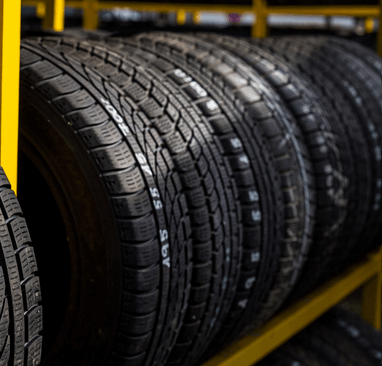
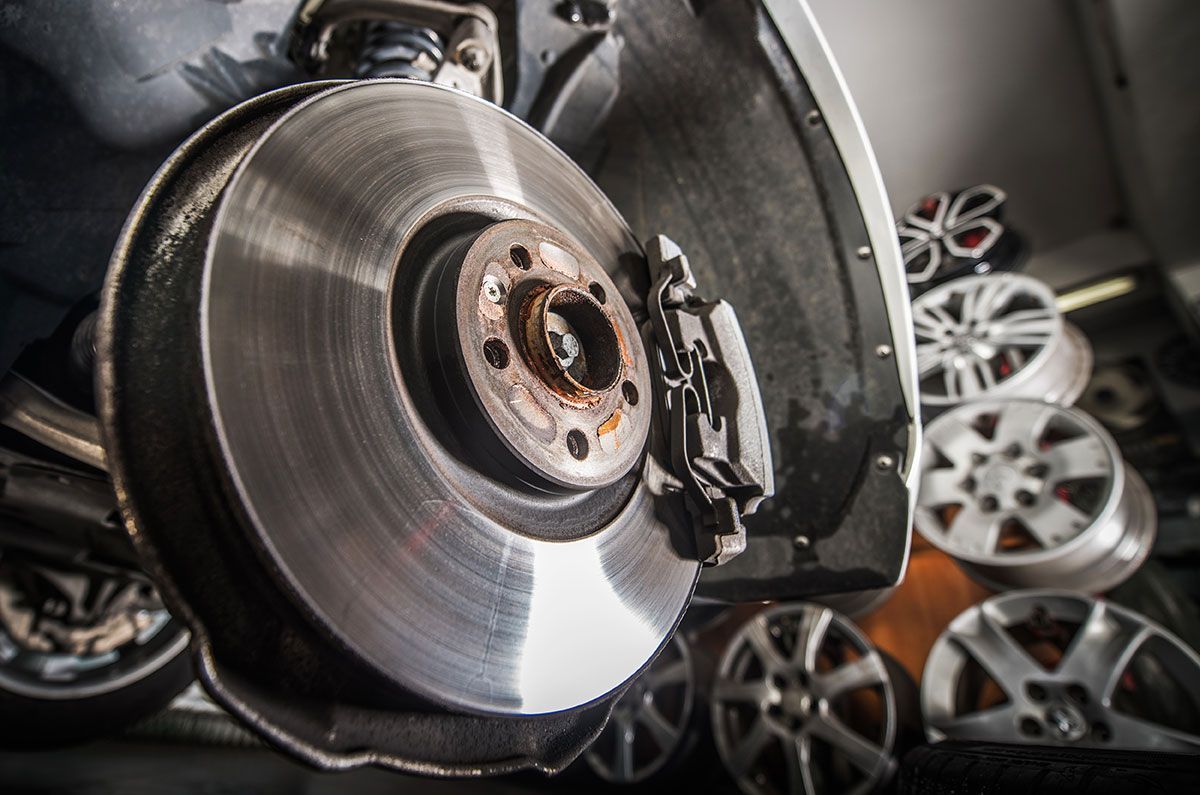
Even if you’re not a car expert, it’s good to know the basic visual components of your vehicle so that you can know when it’s time to take it into the shop. Tires are some of the most important parts of your car, and keeping them balanced is essential to their long-term performance. One way you can keep your tires in great shape and catch issues early is to know what the red and yellow dots on the sides of your tires mean.
As you try to keep your vehicle’s tires in the best shape possible, knowing what these dots mean and how they affect wheel balancing can make the difference between a set that lasts you 10 years and having to replace them earlier than you’d like.
What Do Yellow Dots on Tires Mean?
Yellow dots on a tire’s sidewall mark the lightest point of the tire. While manufacturers take great care in making the most perfectly balanced tire possible, there can still be imperfections. In order to make up for the uneven weight most tires naturally have and balance the tires, the lightest part of the tire is lined up with the valve stem, which is installed on the heaviest part of the wheel.
In the manufacturing phase, the yellow dot helps installers easily find the lightest part of the tire and match it with the wheel’s valve stem. However, mistakes can occur, and the yellow dot might not always be located next to the valve stem. In this case, improper weight distribution can occur, causing tires to vibrate and unevenly wear when driving. Checking that the yellow dot is lined up with the valve stem on a new vehicle or when you install new tires can help prevent improper weight distribution.
What Do Red Dots on Tires Mean?
Similar to the yellow dot on the sidewall of a tire, the red dot also aims to prevent issues with wheel balancing during manufacturing. On a tire, the red dot indicates the tire’s highest point, which is the most imbalanced part. If you have a red dot on your tire, you’ll likely have another red dot or sticker on the wheel itself behind the rim. On the wheel, the red dot indicates the wheel’s lowest point, and this red dot should line up with the red point on the tire.
Lining up these dots will offset the unevenly distributed weight of the tire and reduce vibrations caused by the tire’s highest point. If you have yellow and red dots on your tires, you should ignore the yellow dot entirely. Instead, make sure the red dot on the tire is lined up with the red dot on the wheel when you purchase a new vehicle or a new set of tires.
Why Do Balanced Tires Matter?
Both the yellow and red dots in your vehicle attempt to make it easier for installers, mechanics, and vehicle owners to properly balance a vehicle’s tires. If the red and yellow dots on your tire indicate you have imbalanced tires, you’ll likely run into several issues. You can find the main reasons to check that the yellow or red dots on them are properly aligned below:
- Properly balanced tires will give you a smoother ride in your vehicle. If your tire balance is off, you may feel unwanted rumbling or bumping while you’re on the road.
- If your tire’s balance is off, it won’t wear evenly. Tire wear is inevitable, but if yours are breaking down unevenly, they will need to be replaced prematurely, costing you money in the long run.
- Imbalanced tires will cause more rolling resistance in your car, making your engine work harder and use more fuel.
Noticing vibrations or uneven tire wear? Get a tire balance at Chapel Hill Tire today.
What Do You Do When Your Tires Aren’t Balanced?
When you notice that the yellow or red dots on your tires aren’t lined up correctly, you’ll likely run into wheel balancing issues. Though it can be tempting to try to fix the issue on your own, tire balancing is not something you should try to do yourself. It is a delicate procedure that is easy to mess up if you don’t know what you’re doing, and improper wheel balancing could land you in a worse situation than when you started.
Instead of trying to perform wheel balancing on your own, you’ll want to bring your car to a vetted auto mechanic if your tire’s yellow or red dots indicate the wheels are imbalanced. It’s also best practice to bring your vehicle in every 6,000 to 8,000 miles to check your tire balance or if you start to feel strange rumbling when driving. When you get your tires balanced by a professional, you’ll likely save money in the long run, and your car will run smoother and handle exactly like you want it to.
Choose Chapel Hill Tire for all of Your Wheel Balancing Needs
If you’re looking for wheel balancing services near you in Chapel Hill, Durham, Raleigh, or the surrounding areas, choose Chapel Hill Tire Auto Center. Whether you need a routine inspection of your wheel balance or you’ve noticed your wheels vibrating more than they used to, our mechanics can solve the issue. Before you schedule an appointment, review our promotions to find a great deal on our many services!
Learn more about our tire balancing services today. When you’re ready to bring your car in, please make an appointment at one of our convenient locations in the Triangle Area.