Why Car Makers Are Moving to Subscription Models and What It Means for Drivers
If you have shopped for a newer vehicle recently, you may have noticed something surprising. Features that used to be included with the car are now offered as monthly or yearly subscriptions. Heated seats, remote start, navigation, and even performance upgrades may require ongoing payments.
This shift has raised a lot of questions from drivers. Why are car makers doing this, how much does it really cost, and is it worth it?
Here is what you need to know about the automotive subscription model and how it affects vehicle ownership, maintenance, and long-term costs.
What Is the Subscription Model in Modern Vehicles?
A car subscription model allows drivers to pay recurring fees to access certain features or services instead of owning them outright. In many newer vehicles, the hardware is already installed, but the feature is locked behind software that requires a subscription to activate.
Instead of paying once when you buy the car, you pay monthly or annually to keep using that feature.
Common subscription pricing ranges from a few dollars per month to hundreds per year, depending on the feature.
Common Subscription Features in New Cars
Automakers are expanding subscriptions quickly. Some of the most common features now tied to subscriptions include:
- Remote start through a mobile app
- Built-in navigation systems
- Wi-Fi hotspots
- Advanced driver assistance features
- Heated and ventilated seats
- Performance or drive mode upgrades
- Premium audio system controls
Some subscriptions are optional, while others may become inactive if you do not renew after a trial period.
Why Car Makers Are Pushing Subscription Services
From a manufacturer standpoint, subscriptions create long-term revenue after the vehicle is sold. Instead of earning only once at purchase, automakers can generate recurring income throughout the life of the vehicle.
Subscriptions also allow manufacturers to:
- Offer lower upfront vehicle pricing
- Add features through software updates
- Control access to advanced systems
- Collect vehicle usage data
For automakers, this model looks more like a technology company than a traditional car company.
How Subscription Models Affect Vehicle Owners
While subscriptions can offer flexibility, they can also increase the total cost of ownership over time.
Higher Long-Term Costs
A feature that might have cost a few hundred dollars upfront can end up costing thousands over the life of the vehicle when paid monthly.
Feature Lockouts
If you stop paying, some features may stop working even though the physical components are still installed in your car.
Ownership Confusion
Many drivers assume a feature is included when they buy the vehicle, only to find out later it requires a paid subscription to continue using it.
Pros and Cons of Vehicle Subscription Features
Pros
- Lower upfront vehicle cost
- Ability to activate features only when needed
- Software updates without hardware replacement
Cons
- Subscription fatigue from multiple monthly fees
- Higher lifetime vehicle cost
- Reduced sense of ownership
- Limited control over features already built into the car
How Subscriptions Impact Maintenance and Repairs
Subscription features often rely on sensors, software systems, and electronic modules. When these systems fail, repairs can become more complex and expensive.
Independent shops may not control subscription access, but they can still:
- Diagnose mechanical issues related to subscription features
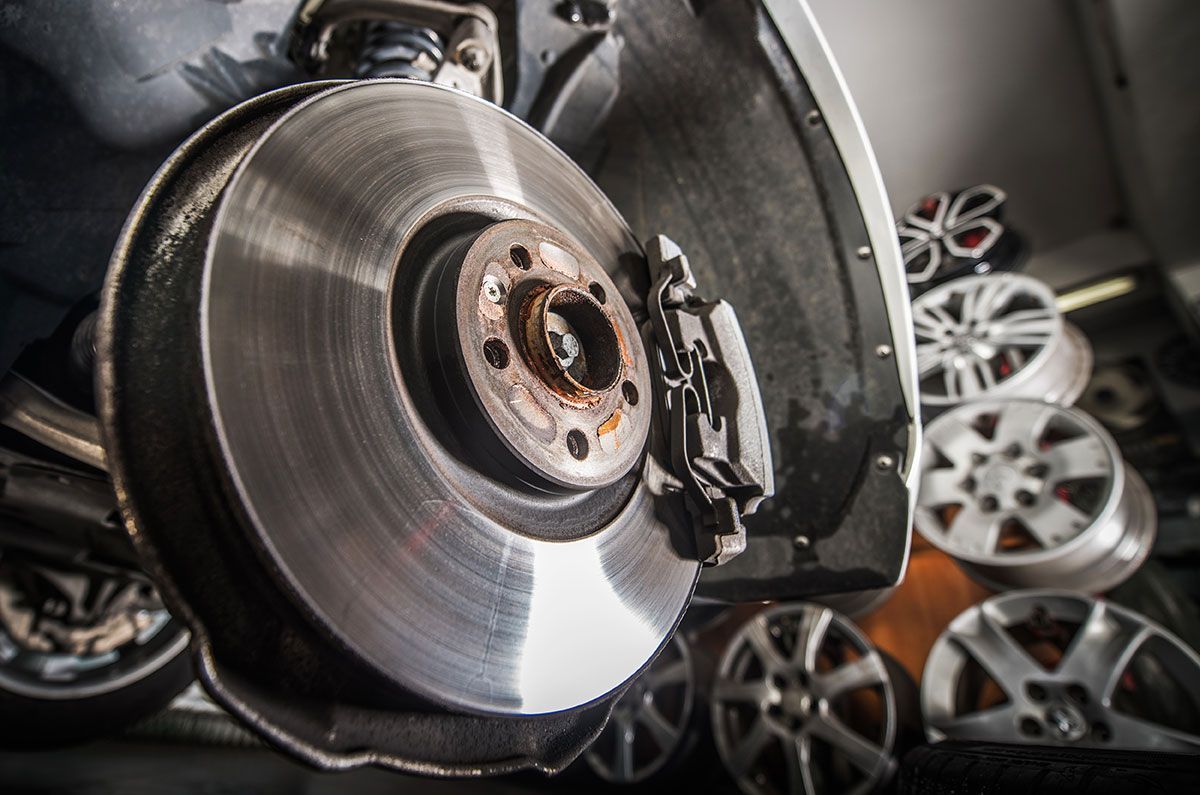
- Repair underlying hardware such as sensors, brakes, suspension, and steering
- Help determine whether a feature failure is software-related or mechanical
At
Chapel Hill Tire, we regularly help drivers understand whether a problem is caused by a mechanical failure or a system tied to manufacturer software, so you do not replace parts unnecessarily.
Should You Buy a Car With Subscription Features?
A subscription-based vehicle may make sense if:
- You plan to keep the car for a short time
- You value flexibility over ownership
- You are comfortable with ongoing costs
It may not be ideal if:
- You prefer long-term ownership
- You want predictable vehicle expenses
- You expect features to work without monthly fees
Before purchasing, ask what features require subscriptions, how long trial periods last, and what happens if you cancel.
What Drivers Should Do Next
If you are considering a newer vehicle or already own one with subscription features, understanding the difference between software access and mechanical reliability is critical.
Regular inspections, preventive maintenance, and expert diagnostics can help you avoid unnecessary subscription renewals tied to underlying mechanical problems.
If you have questions about your vehicle’s systems, safety features, or long-term maintenance costs, the technicians at
Chapel Hill Tire are here to help you make informed decisions and keep your vehicle reliable without surprise expenses.