
How to Explain a Car Noise to Your Mechanic
Auto Shops Located in: Chapel Hill, Durham, Taleigh, Apex, and Cary North Carolina

Strange car noises can be stressful. Is that squeal something minor, or a sign of a major repair?
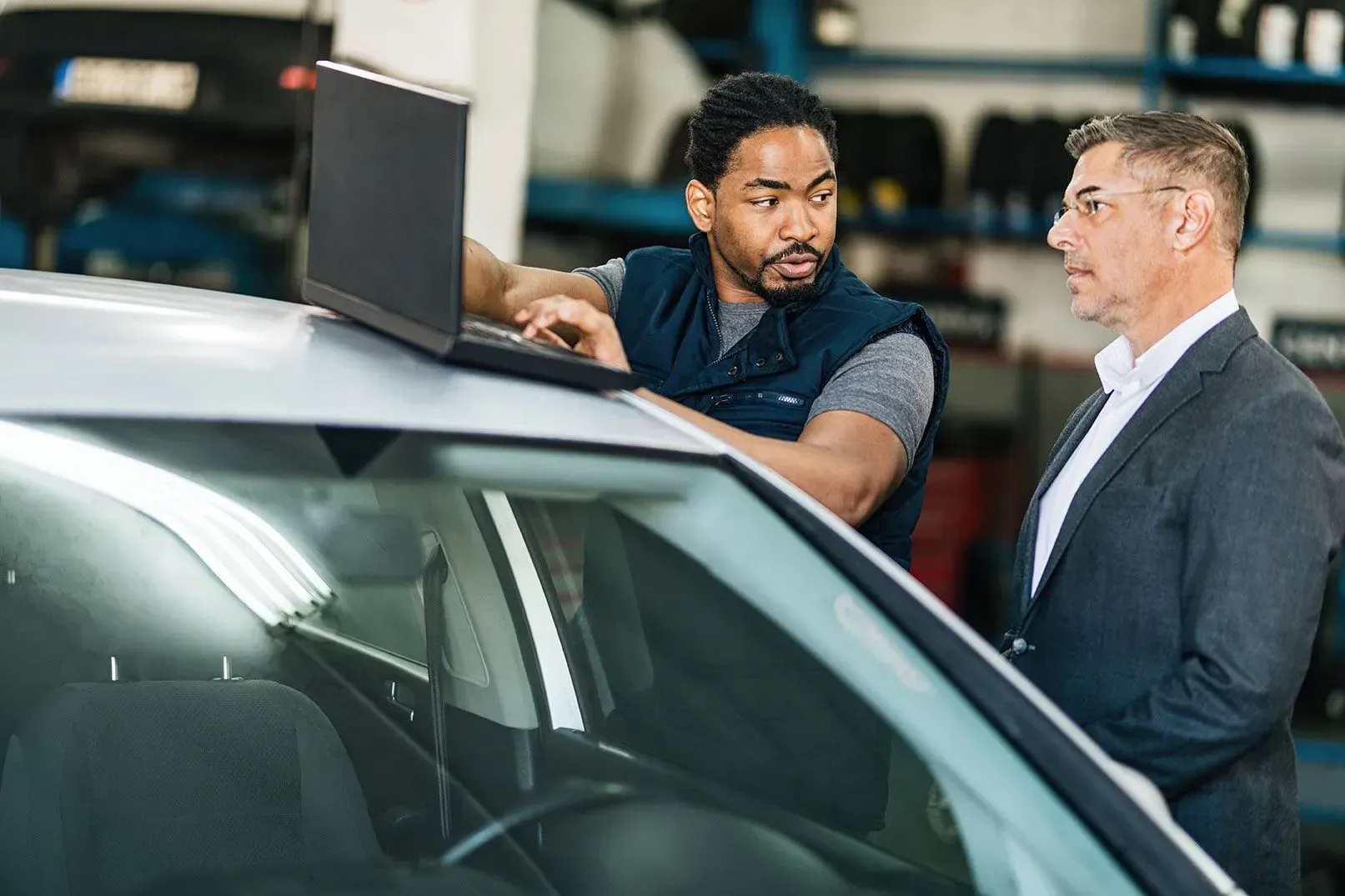
When you bring your vehicle into Chapel Hill Tire, the more clearly you can describe the noise, the faster our technicians can pinpoint the issue. Even if you are not car-savvy, a few simple details can make a big difference.
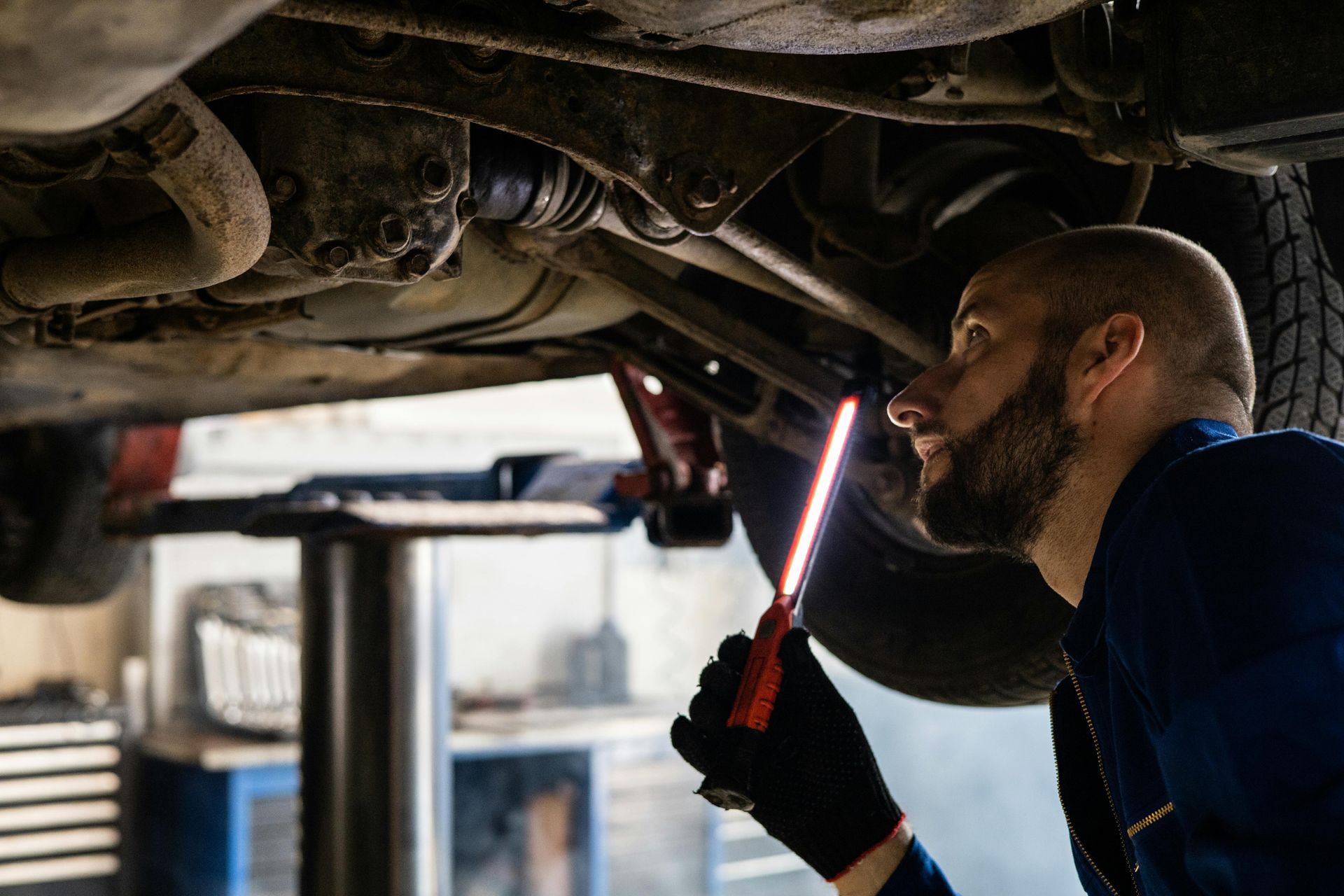
Use the steps below to explain what you are hearing so your technician can diagnose the problem efficiently and recommend the right repair.
1. Describe the sound itself
Start with the basics. What does it sound like?
You do not need technical terms. Everyday words work perfectly. Try comparing the noise to something familiar, like squealing, grinding, knocking, clicking, humming, rattling, thumping, or hissing.
If you can, also share whether it is high-pitched or low-pitched, loud or faint, and constant or intermittent. Even mimicking the sound can help.
Timing is one of the most important clues. Tell your mechanic when you hear the noise.
- When you start the car
- Only when braking
- When you accelerate
- While turning
- At highway speeds
- When driving over bumps
- Only when the engine is cold
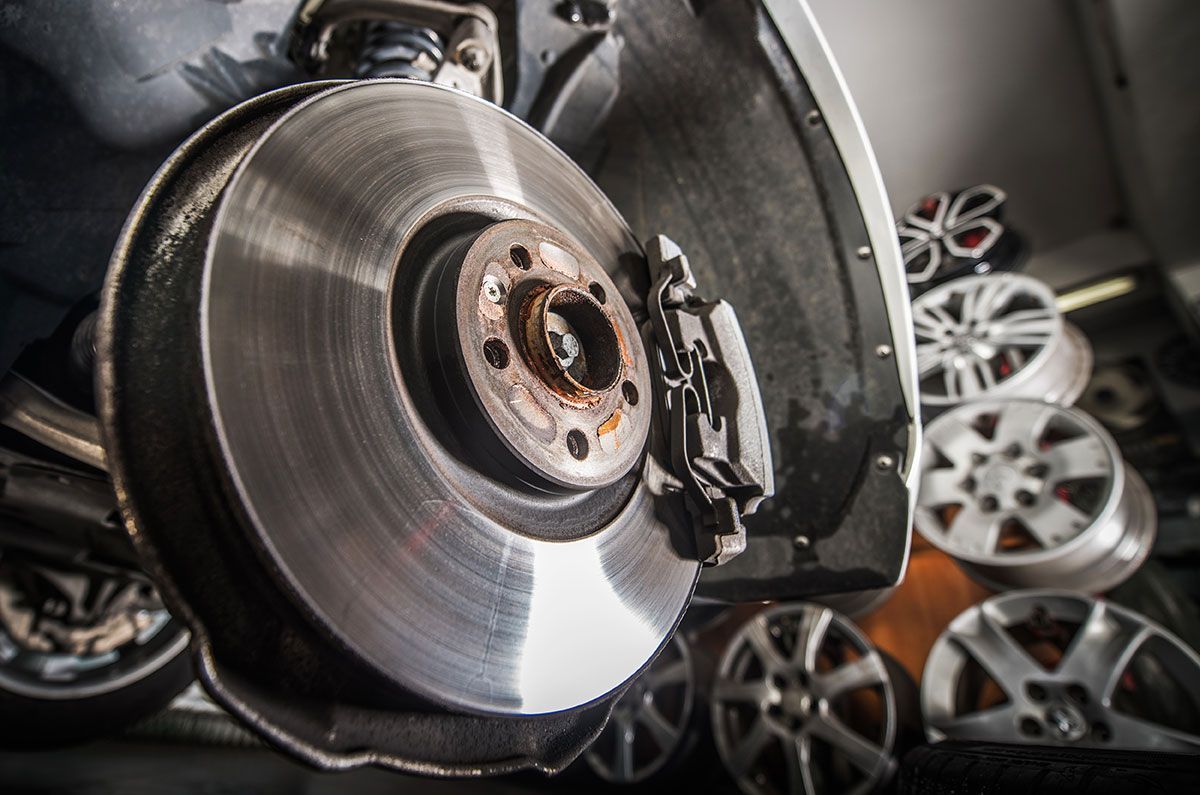
For example, a squeal when braking can point toward a brake issue, while a clicking sound when turning can point toward a problem in the front axle area. If you suspect braking is involved, our brake repair team can help.
3. Share where it seems to be coming from
Even a general location is useful. Let us know if it sounds like it is coming from the front or rear, left or right side, under the hood, near the wheels, or inside the cabin.
You do not have to be certain. Your best guess helps narrow down which system we should check first.
4. Mention anything that changed recently
Small details matter. Tell your technician if you recently hit a pothole or curb, were in a minor accident, had repairs done, installed new tires, or noticed the noise after a cold or rainy stretch of weather.
If the sound is getting worse, share that too. That helps prioritize what should be inspected first.
5. Describe how the car feels while it happens
Noises often come with other symptoms. Let your mechanic know if you notice vibration in the steering wheel, pulling to one side, reduced acceleration, soft brakes, a burning smell, or warning lights.
If a warning light is on, schedule a visit for check engine light diagnostics so we can scan the system and pinpoint the cause.
Common car noises and what they might mean
Only an inspection can confirm the issue, but these examples can help you describe what you are hearing.
- Squealing when braking : Often worn brake pads. Consider scheduling brake service.
- Grinding : Can indicate metal-on-metal contact and should be checked quickly.
- Clicking while turning : Often related to axle or joint components.
- Humming that gets louder with speed : May be related to tires or wheel bearings. Our tire services team can inspect for uneven wear or other concerns.
- Clunking over bumps : May point to suspension wear. Learn more about suspension repair.
Tips before you come in
To help your technician even more, note the exact conditions when the sound happens, and record a short audio or video clip if it is safe to do so. Writing down a quick description can also help you remember the details.
If you recently noticed shaking, pulling, or steering changes, you may also need a wheel alignment service.
Do not ignore strange noises
Your vehicle is designed to communicate when something is not right. Unusual sounds are often early warning signs. Addressing them promptly can improve safety, prevent breakdowns, and reduce the chance of a bigger repair later.
If you are hearing something that does not sound normal, Chapel Hill Tire is here to help. Schedule an appointment at your nearest location and let our team take a look.