Do I Always Need to Change My Rotors If I Get New Brake Pads?
If your mechanic recommends new brake pads, you might wonder:
Do I also need to replace the brake rotors?
The short answer is not always. However, in today’s automotive landscape, replacing rotors is becoming more common than it used to be. In many cases, replacing both at the same time helps avoid paying for additional labor later if issues develop.
Understanding how
brake pads and rotors work together, along with how modern brake components have evolved, can help you make a more informed decision.
How Brake Pads and Rotors Work Together
Your vehicle’s braking system relies on friction to stop the car safely.
When you press the brake pedal:
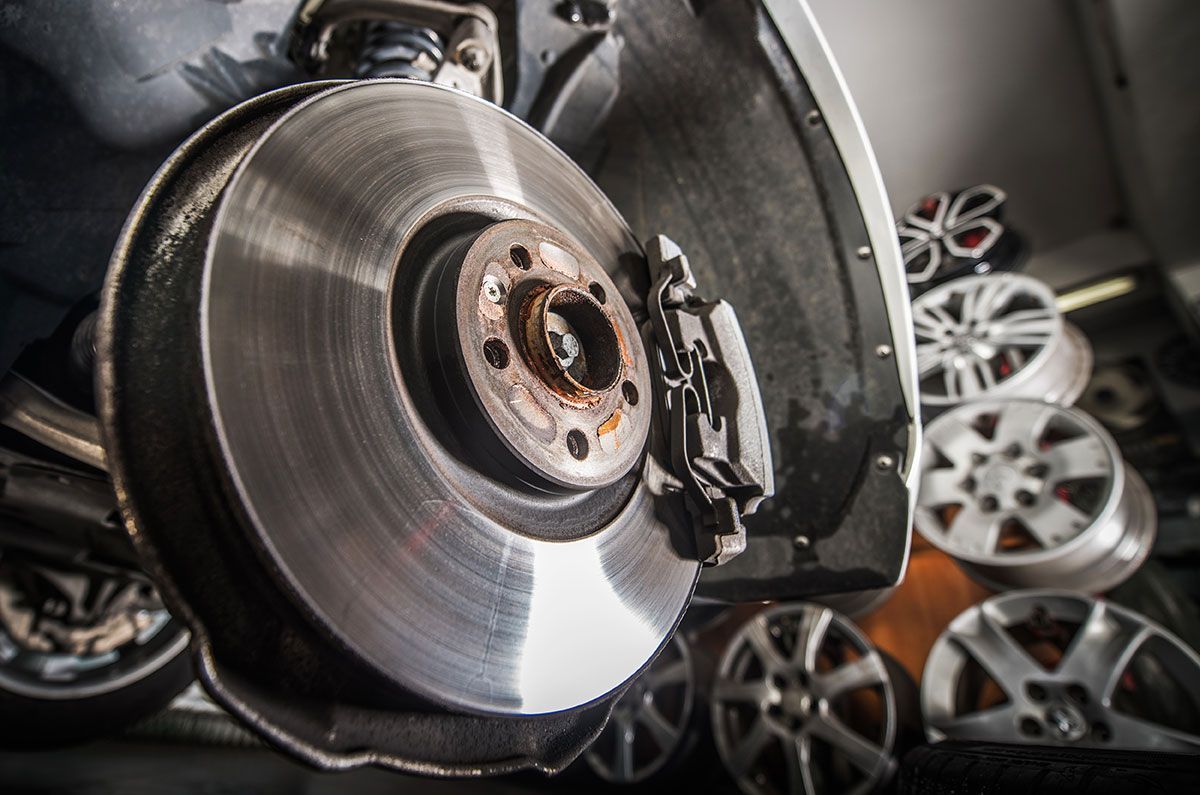
- Brake calipers squeeze the brake pads against the rotors
- The rotors (metal discs attached to your wheels) spin with the tires
- Friction between the pads and rotors slows the vehicle down
Because these components work together constantly, they wear down over time. Brake pads typically wear out faster, which is why they are replaced more frequently than rotors.
When You Don’t Need to Replace Your Rotors
In some cases, rotors can still last through multiple brake pad replacements, especially if they are in good condition.
Your rotors may not need replacement if they:
- Are smooth and evenly worn
- Have no deep grooves or scoring
- Are within the manufacturer’s thickness specifications
- Do not cause vibration or pulsation when braking
When these conditions are met,
installing new brake pads alone is usually safe and cost-effective.
Why This Is Changing in Modern Vehicles
One important shift in the industry is how rotors are designed and manufactured.
Many modern rotors are built much closer to their minimum thickness than they were years ago. In the past, rotors often had enough material to be resurfaced one or even two times. Today, that is far less common.
By the time a rotor has normal wear and a technician machines it to remove grooves or uneven surfaces, it can fall below the manufacturer’s minimum thickness specification. Replacing rotors at the same time as your brake pads helps ensure everything wears evenly, and reduces the possibility of costly repairs in the future.
Because of this, resurfacing is becoming less common across the industry. In many cases, it is not just a preference. It is a limitation of the part itself.
When Rotors Should Be Replaced
Sometimes rotors wear down or become damaged enough that replacement is the best option.
You may need new rotors if you notice:
Deep Grooves or Scoring
Worn brake pads or debris can create grooves that reduce braking efficiency and cause uneven wear.
Warping or Vibrations
If you feel pulsation in the steering wheel or brake pedal, your rotors may be uneven or warped.
Excessive Wear or Thin Rotors
Rotors must meet minimum thickness specifications to safely handle heat during braking.
Rust or Corrosion
Rust buildup, especially on vehicles that sit unused, can damage the braking surface.
In these situations, replacing the rotors helps ensure your
new brake pads perform properly and safely.
Should Rotors Be Resurfaced Instead?
Resurfacing, or machining, removes a thin layer of metal to create a smooth braking surface. While this was once a very common practice, it is becoming less viable with modern rotor design.
Because today’s rotors start thinner, there is often not enough material to safely machine them without going below spec. Even when it is technically possible, the margin can be very small. Because resurfacing rotors can vary slightly in thickness and performance, they are harder to guarantee.
There is also a practical consideration. Machining takes labor time, and the cost of many aftermarket rotors has dropped significantly. In many cases, replacing the rotors is actually more cost-effective and more reliable than resurfacing them.
Why Replacing Rotors With Brake Pads Can Be a Smart Choice
Even if your
rotors technically meet specifications, replacing them along with your
brake pads can offer several advantages:
- Better braking performance
- Longer lifespan for new brake pads
- Reduced risk of noise or vibration
- Lower overall labor cost compared to doing the job twice
With modern parts and pricing, replacing both components together is often the most practical long-term solution.
The Bottom Line
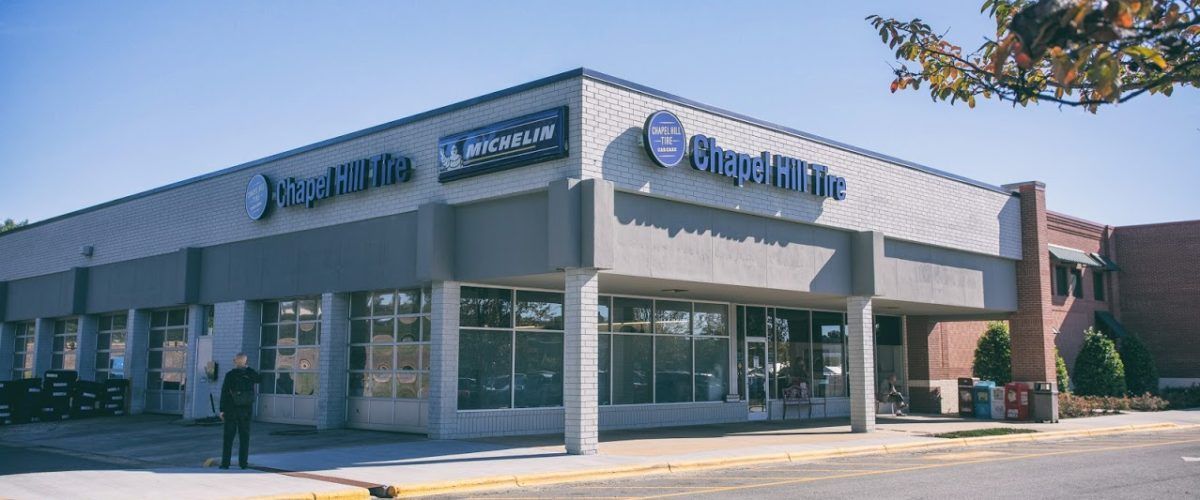
At Chapel Hill Tire, we typically recommend replacing rotors rather than resurfacing them. You do not always need to replace your rotors when getting new brake pads, but it is happening more often than it used to.
Because modern rotors are designed with less excess material, resurfacing is less common and replacement is frequently the better option. The condition of your rotors should always be inspected during a
brake service to determine the safest and most cost-effective approach.
Schedule a Brake Inspection at Chapel Hill Tire
If your
brakes are squeaking, vibrating, or due for service, the experts at Chapel Hill Tire are here to help.
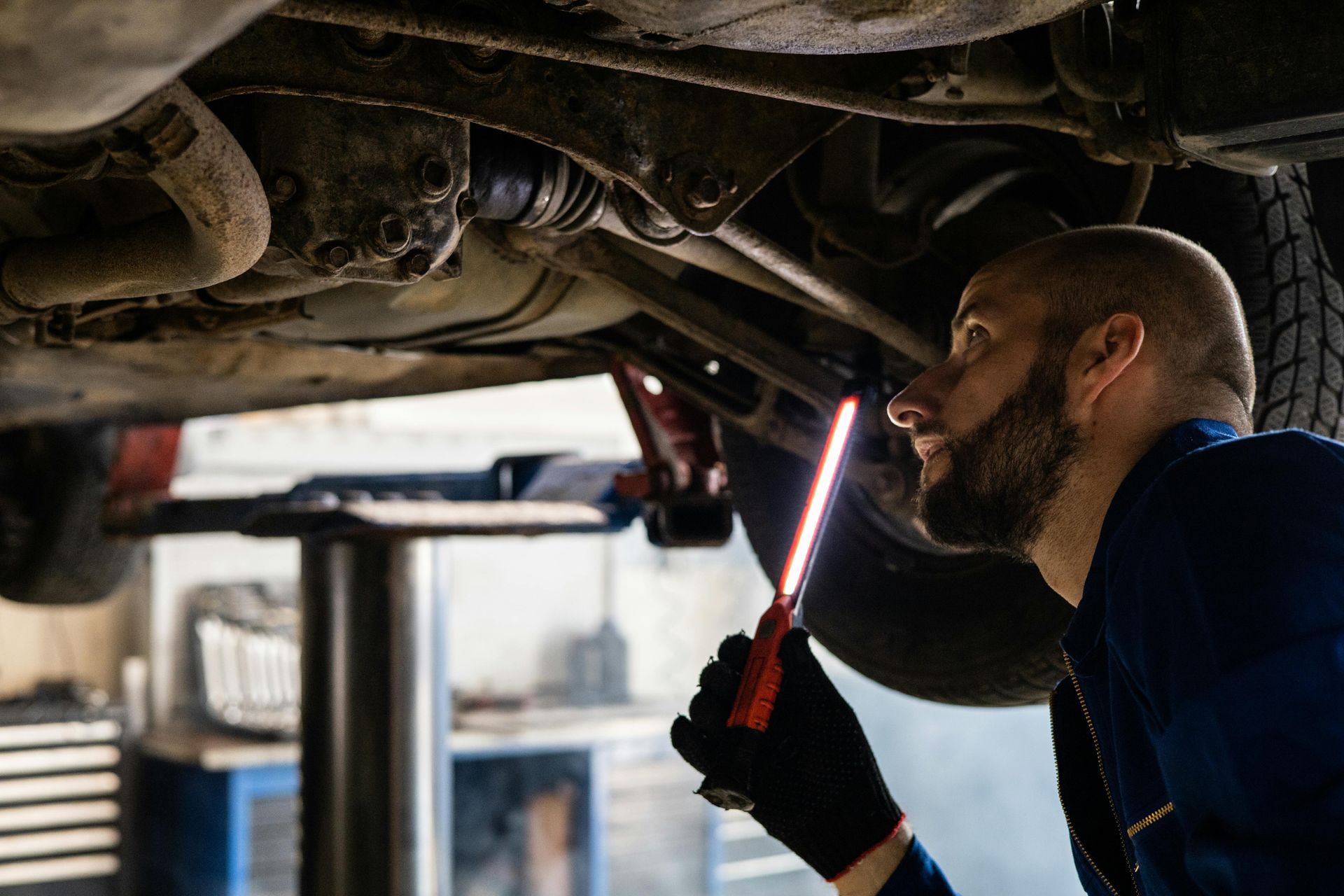
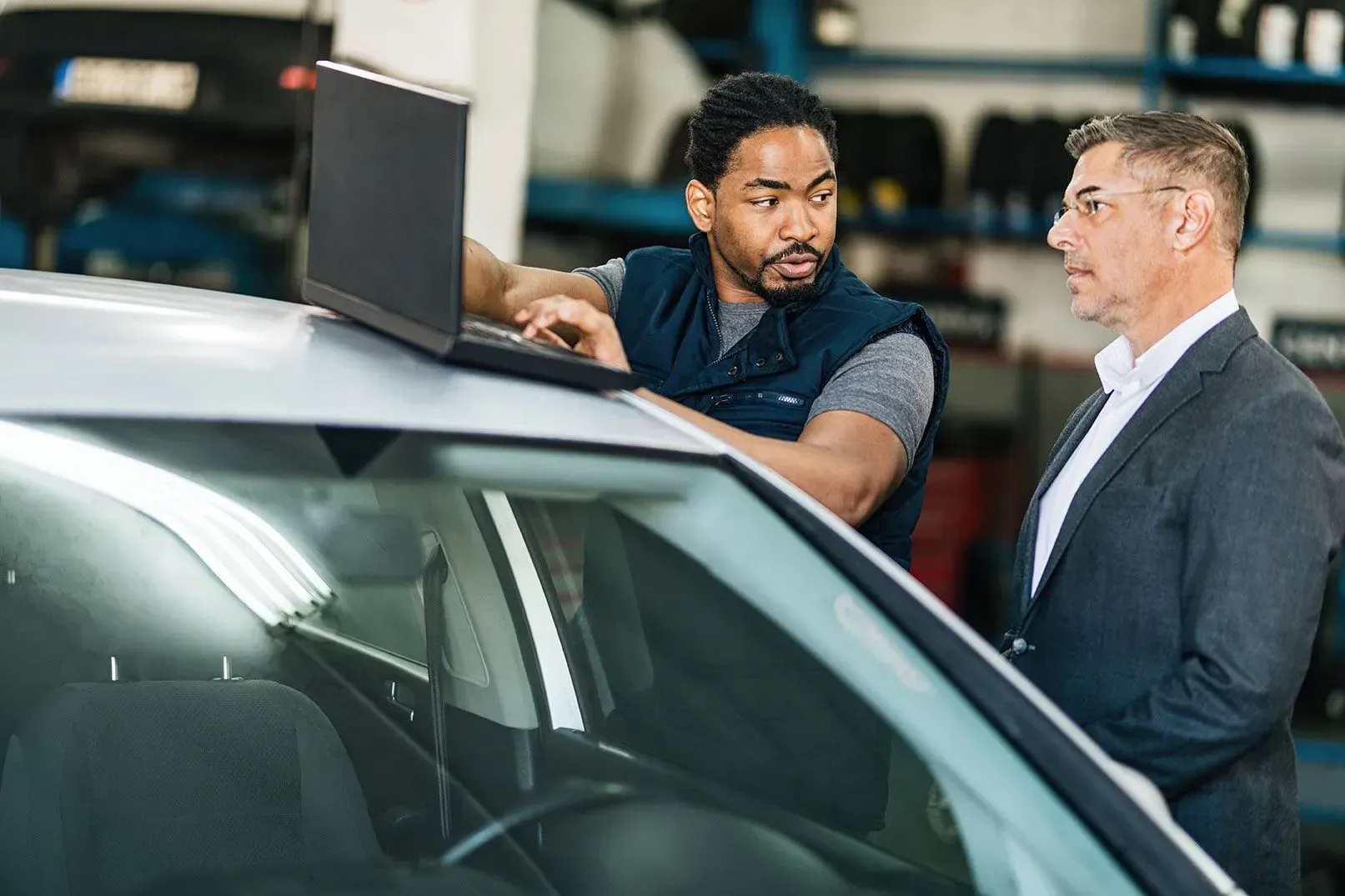
Our technicians will inspect your brake pads and rotors to recommend the safest and most cost-effective solution for your vehicle.
Schedule your brake inspection today and drive with confidence knowing your brakes are ready when you need them most.