The
Subaru Outback is known for its reliability, all-wheel drive capability, and ability to handle everything from daily commutes to weekend adventures. But like any vehicle, the Outback can develop
wheel alignment problems that lead to uneven tire wear over time.
If you’ve noticed your Subaru Outback’s tires wearing down faster than expected, pulling to one side, or your steering wheel sitting off-center, a
wheel alignment issue may be the cause.
Here’s what Subaru owners should know about alignment problems and tire wear.
Why Wheel Alignment Matters for Your Subaru Outback
Wheel alignment refers to how your vehicle’s wheels are
angled relative to each other and the road. Proper alignment ensures your tires make consistent contact with the pavement.
When alignment is correct, your Subaru will:
- Drive straight without pulling
- Provide stable handling
- Reduce tire wear
- Improve fuel efficiency
- Extend the life of suspension components
However, when
alignment is off, even slightly, it can quickly lead to
uneven tire wear and reduced performance.
Common Signs of Alignment Issues in a Subaru Outback
Alignment issues often develop gradually, but there are several warning signs drivers should watch for.
Uneven Tire Wear
One of the most common symptoms is
uneven or premature tire wear. You may notice:
- Tires worn more on the inside or outside edges
- One tire wearing faster than the others
- Feathered or scalloped tread patterns
Because the Outback uses
symmetrical all-wheel drive, uneven wear can affect traction and performance across all four wheels.
Vehicle Pulling to One Side
If your Outback drifts left or right when driving on a straight road, the wheels may be misaligned.
Drivers sometimes compensate without realizing it by
constantly correcting the steering wheel.
Off-Center Steering Wheel
When driving straight, your steering wheel should sit centered. If it appears crooked while the vehicle is moving straight, it’s a strong indicator that the alignment needs adjustment.
Vibrations While Driving
In some cases, poor alignment can cause steering wheel vibrations, especially at highway speeds.
While vibrations can also be caused by tire balancing issues, alignment problems are another possible cause.
Why Subaru Outbacks Can Experience Alignment Issues
Several factors can cause alignment problems in a Subaru Outback.
Rough Roads and Potholes
Hitting potholes, curbs, or rough roads can
knock the suspension and alignment out of specification. Even minor impacts can shift wheel angles slightly.
Suspension Wear
Over time, suspension components such as
control arms, bushings, and ball joints wear down. As these parts loosen, the alignment can gradually drift.
Heavy Cargo or Towing
Subaru Outbacks are often used for outdoor gear, road trips, and hauling equipment. Carrying heavy loads frequently can put extra stress on suspension components and affect alignment.
Lack of Regular Alignment Checks
Many drivers only check alignment after noticing problems, but small alignment issues can develop long before symptoms become obvious.
Routine inspections help prevent uneven tire wear.
How Alignment Issues Cause Tire Wear
When wheels are not properly aligned, tires make
uneven contact with the road.
Instead of distributing weight evenly across the tread, certain areas experience
more friction and pressure, which causes them to wear faster.
Over time this leads to:
- Shortened tire lifespan
- Reduced traction
- Increased road noise
- Poor fuel efficiency
For AWD vehicles like the Subaru Outback, uneven tire wear can also stress the drivetrain if tires become mismatched.
How Often Should a Subaru Outback Get an Alignment?
Most experts recommend checking alignment:
- Every 12,000–15,000 miles
- Whenever new tires are installed
- After hitting a pothole or curb
- If you notice uneven tire wear or steering issues
Regular tire rotations and
alignment checks help maximize tire life and keep your Outback handling smoothly.
Protecting Your Tires and Suspension
To prevent premature tire wear, Subaru drivers should combine alignment checks with routine tire maintenance.
Helpful steps include:
- Rotating tires regularly
- Maintaining proper tire pressure
- Scheduling periodic alignment inspections
- Addressing suspension issues early
These steps can significantly extend the life of your tires and improve overall driving performance.
Get a Subaru Wheel Alignment at Chapel Hill Tire
If your
Subaru Outback is showing signs of uneven tire wear or pulling while driving, a
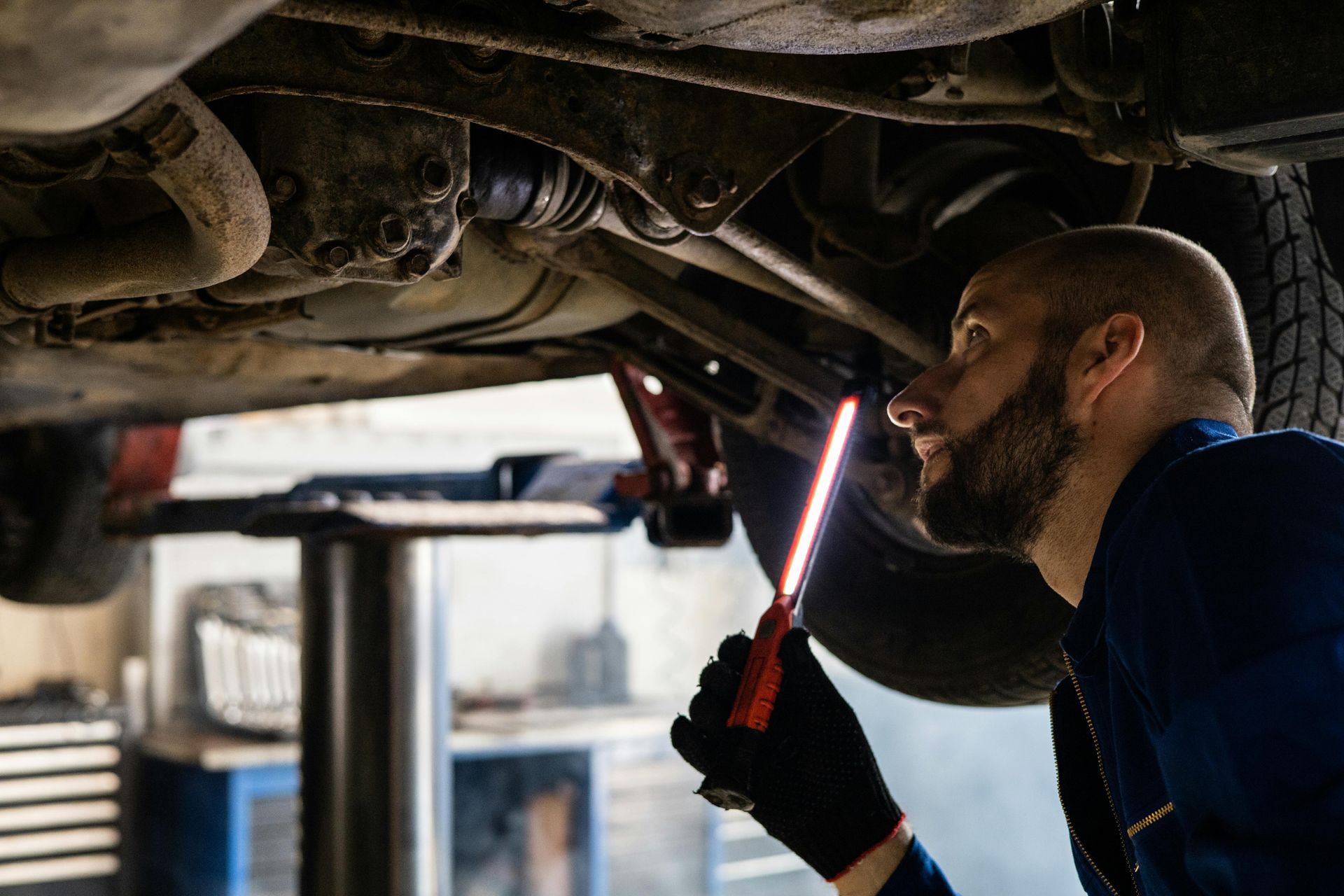
professional wheel alignment inspection can identify the problem before it worsens.
At
Chapel Hill Tire, our technicians use precision alignment equipment to ensure your wheels meet manufacturer specifications. Proper alignment helps protect your tires, improve handling, and keep your Subaru performing at its best.
Schedule your alignment service today and keep your Subaru Outback driving straight and smooth.