
Why to Tell Your Mechanic If Your Car Is From a Northern or Coastal State
Auto Shops Located in: Chapel Hill, Durham, Taleigh, Apex, and Cary North Carolina

When bringing your vehicle in for service, most drivers focus on explaining the symptoms they’re experiencing such as strange noises, warning lights, or performance issues. But there’s another detail that can help your mechanic diagnose and service your vehicle more effectively: where your car has spent most of its life .
If your vehicle previously lived in a northern state or along the coast , letting your mechanic know can make a real difference in how they inspect and repair your car. Here’s why.
1. Road Salt Can Cause Hidden Rust
In many northern states, road crews use salt and de-icing chemicals during the winter to keep roads safe. While this helps prevent accidents, it can also take a toll on vehicles especially underneath, where you can’t easily see what’s happening.
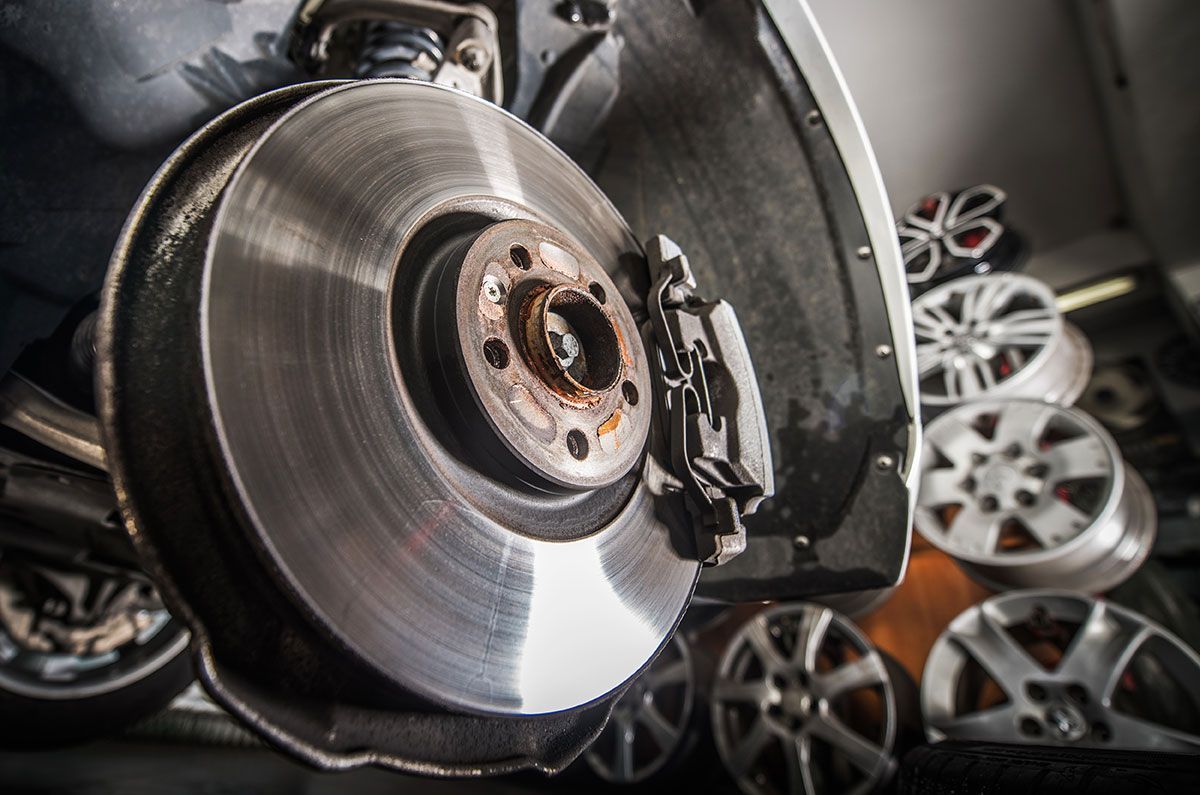
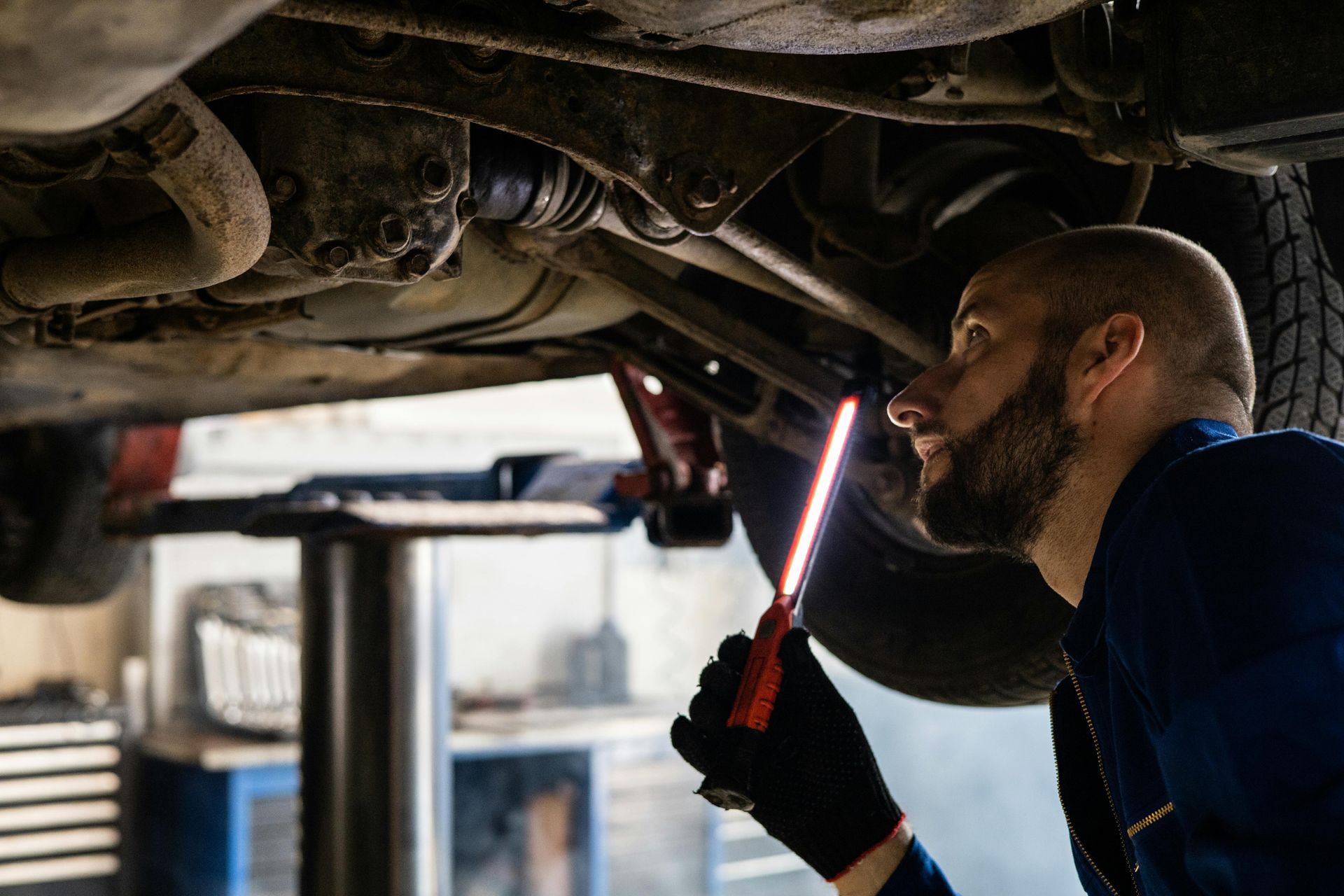
Salt accelerates corrosion on metal components. Over time, that exposure can lead to rust on parts that are critical to safety and drivability, including brake lines, fuel lines, suspension components, exhaust systems, and even frames and subframes.
If your mechanic knows your car came from an area that uses heavy road salt, they may take extra time to inspect these components closely and spot issues early before a small problem becomes a major repair.
2. Coastal Air Can Speed Up Corrosion
Even if your car hasn’t seen snowy winters, coastal environments can create similar problems. Salt in ocean air can settle on your vehicle’s surfaces and undercarriage, and it doesn’t take long for that exposure to start affecting metal parts.
Cars that lived near the coast may show signs of corrosion earlier than vehicles from inland areas. That can include rust on fasteners, brake hardware, suspension components, and other underbody parts.
Have you noticed more surface rust than you’d expect for your car’s age? That history clue can help your technician focus their inspection where it matters most.
3. It Helps Mechanics Prepare for Tougher Repairs
Rust doesn’t only change the condition of parts, it can change how easy they are to service. Bolts, fasteners, and brackets exposed to salt can seize, corrode, or become brittle over time, which can turn a routine repair into a more complex job.
When mechanics know your vehicle has a northern or coastal history, they can plan accordingly: using the right penetrants, bringing out specialty tools, and factoring in additional time if a component is likely to be stuck or fragile.
That preparation helps reduce surprises during the repair process and supports clearer communication about what your car may need.
4. Preventative Maintenance May Be Recommended
Vehicles that have been exposed to salt, whether from winter roads or coastal air, often benefit from extra preventative care. Depending on what your mechanic finds, they may recommend undercarriage inspections, rust protection treatments, or more frequent checks of brakes, suspension, and metal lines.
The goal isn’t to sell you on unnecessary services, it’s to keep your vehicle safe, extend its life, and prevent issues that can become expensive if they’re ignored.
Conclusion
Sharing your car’s history, especially if it previously lived in a northern or coastal state, gives your mechanic valuable context. It helps them inspect the right areas, anticipate rust-related complications, and recommend the preventative maintenance that keeps your vehicle reliable.
If you’re not sure where your car spent its earlier years, a quick look at a vehicle history report can help. And if you do know it’s been exposed to salt, mention it at your next service visit, your car (and your wallet) will thank you.
Need an inspection or have concerns about rust or corrosion? Chapel Hill Tire is here to help.
Schedule your next appointment with our team today.