10 Fascinating Tire History Facts You Didn't Know
April 16, 2024

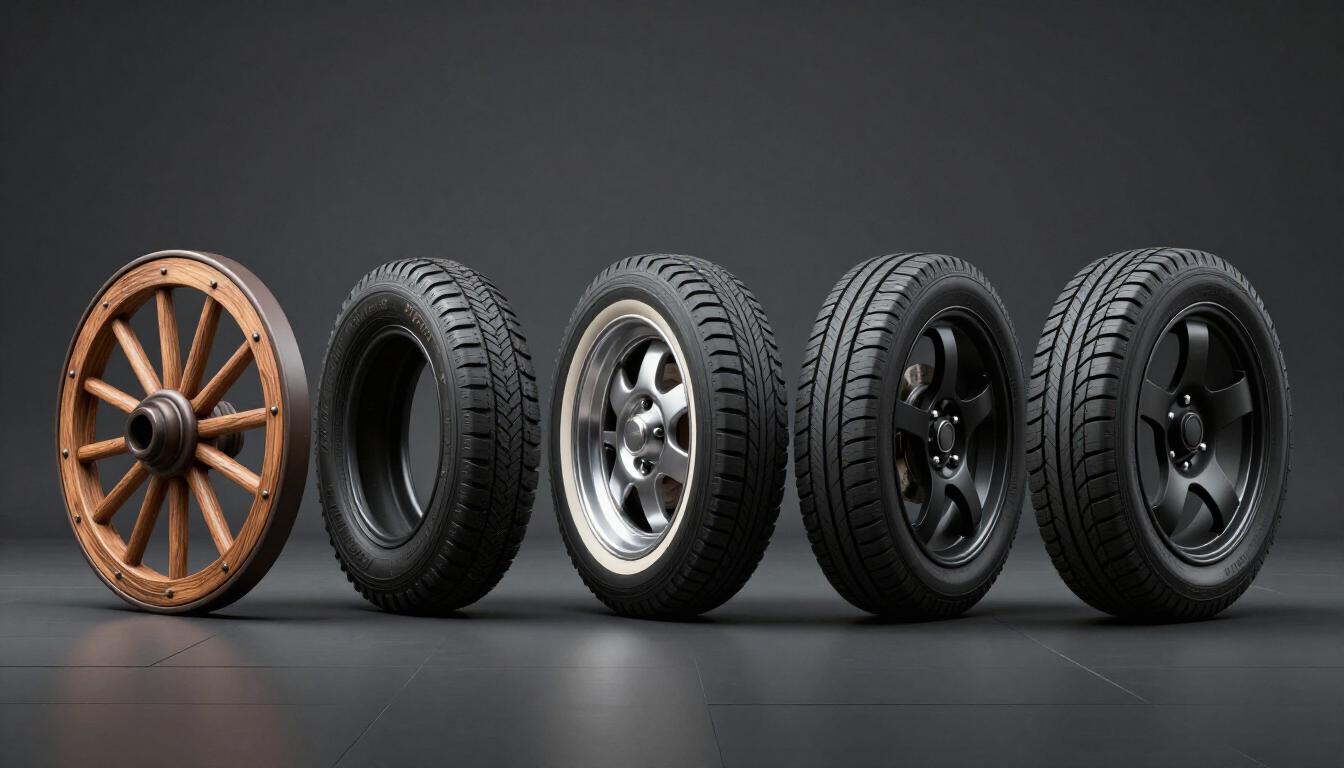
Tire history is the fascinating evolution of the wheel from rigid wooden or metal bands to the complex, carbon-reinforced pneumatic systems we rely on today. Key milestones include Charles Goodyear’s discovery of vulcanization in 1839 and John Boyd Dunlop’s 1888 patent for the first practical air-filled tire, which dramatically improved vehicle safety and comfort.
How did the very first tires work?
Before we had the cushioned ride of modern rubber, "tires" were actually quite painful for the passengers. In the early days of carts and wagons, the term "tire" referred to the fact that the metal or leather band was "tying" the wooden wheel together. These early versions were simply bands of iron or steel placed over wooden wheels.
Imagine driving through the streets of North Carolina in a wagon with solid iron wheels. Every pebble, every dip in the road, and every stray branch would vibrate through the entire frame of the vehicle. It wasn't just uncomfortable; it was incredibly loud and hard on the equipment. These iron bands were heated so they would expand, slipped onto the wooden wheel, and then cooled with water so they would shrink and grip the wood tightly. While they were durable, they offered zero shock absorption.
Eventually, leather was used to provide a slightly softer ride, but it wore out quickly and was difficult to maintain. The transition from these "bone-shakers" to what we recognize today as a tire required a massive leap in chemical engineering. If you are curious about how far we’ve come, you can see the results of this evolution in our tire services today.
Why was vulcanization such a game-changer?
One of the most important tire history facts involves a happy accident. In the early 19th century, natural rubber was a frustrating material. It was sticky and melted in the summer heat, yet it became brittle and cracked in the winter cold. It was practically useless for heavy-duty applications like transportation until Charles Goodyear entered the scene.
In 1839, Goodyear accidentally dropped a mixture of rubber and sulfur onto a hot stove. Instead of melting into a gooey mess, the rubber charred but remained flexible and stable. This process, which he named vulcanization after Vulcan, the Roman god of fire, allowed rubber to maintain its shape and elasticity regardless of the temperature. This discovery is the literal foundation of the modern tire industry. Without vulcanization, the tires we sell and service would simply melt on the hot Carolina pavement during July.
Who invented the first pneumatic tire for cars?
While many people associate the name Goodyear with tires, it was actually John Boyd Dunlop who pioneered the air-filled, or pneumatic, tire. Interestingly, he didn't start with cars. In 1888, Dunlop was watching his young son ride a tricycle on a bumpy stone path. He noticed how much the solid rubber tires jolted the boy, and he decided to find a better way.
He wrapped the wheels in thin rubber sheets, glued them together, and inflated them with a football pump. The result was the first successful pneumatic tire. While a similar idea had been patented by Robert William Thomson decades earlier, Dunlop was the one who made it commercially viable.
However, these early pneumatic tires were glued to the wheel, making them a nightmare to fix if they got a puncture. It wasn't until the Michelin brothers, Andre and Edouard, developed a detachable pneumatic tire in 1891 that the technology became practical for the burgeoning automobile industry. They proved the worth of their invention by using it in the Paris-Brest-Paris cycle race, and the rest is history. If you're looking for world-class engineering today, you can shop Michelin tires at any of our locations.
Why were tires originally white?
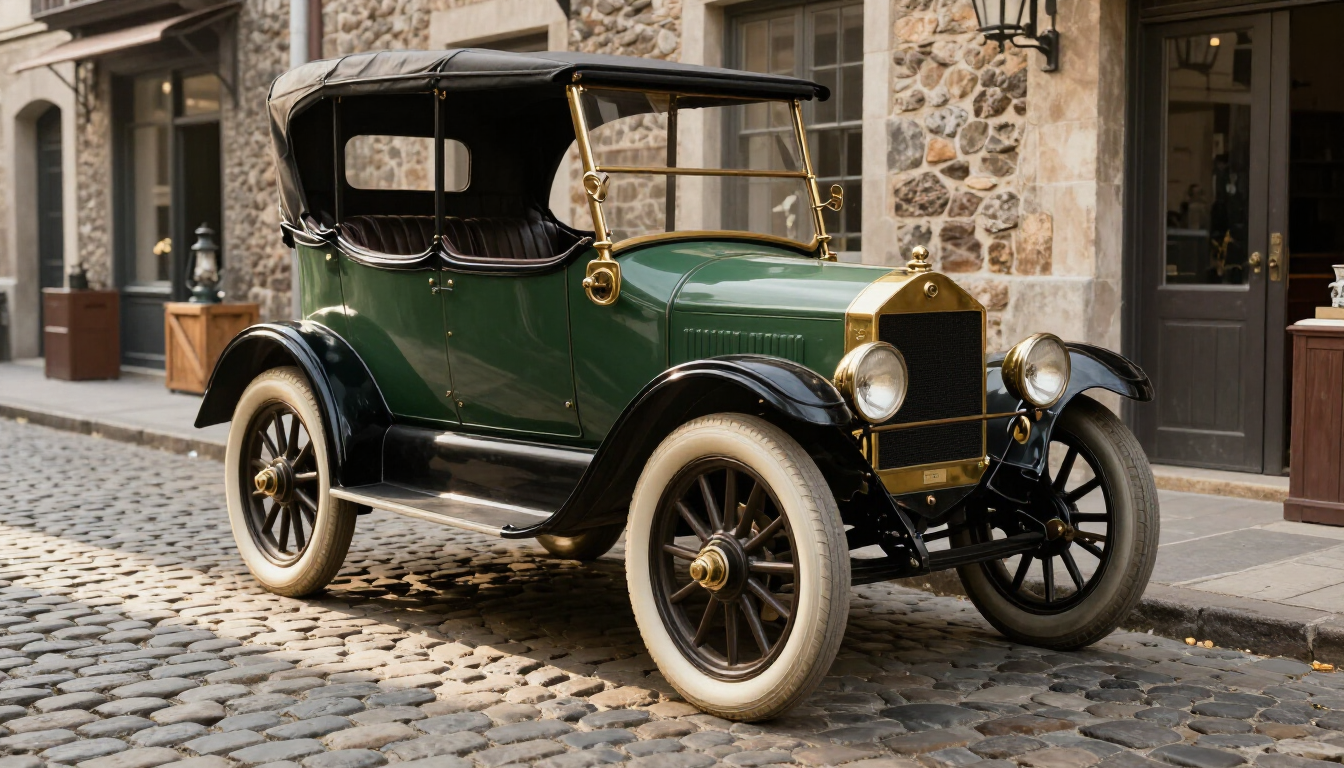
If you look at photos of cars from the early 1900s, you’ll notice something strange: the tires are bright white or a light creamy color. This wasn't a fashion statement; it was the natural color of the rubber. In those days, manufacturers added zinc oxide to the rubber mixture to increase traction and improve durability. Zinc oxide is a white powder, which gave the tires their distinctive look.
While they looked sharp, white tires had a major drawback: they weren't particularly strong. They wore out quickly and were prone to cracking under the stress of higher speeds and heavier vehicles. As the automotive industry grew, engineers realized they needed something tougher to keep people safe on the road. This led to a search for new additives that could strengthen the rubber's molecular structure.
How did tires eventually turn black?
In 1910, the BFGoodrich Company discovered that adding "carbon black"—a fine soot-like byproduct of burning organic materials—to the rubber mix vastly improved the tire's lifespan. Carbon black didn't just change the color; it acted as a reinforcing filler that conducted heat away from the tread and protected the rubber from the damaging effects of UV rays.
- Durability: Carbon black increased tire longevity by up to 10 times.
- Heat Dissipation: It helps keep the tire cool during high-speed driving.
- UV Protection: It prevents the rubber from ozone-cracking and sun damage.
- Traction: The additive improved the grip on various road surfaces.
- Maintenance: Black tires were much easier to keep looking clean than white ones!
This shift changed the aesthetic of the automobile forever. Even though "white-wall" tires became a popular style choice in the mid-20th century, the actual tread and structure of the tire remained black for performance reasons. Today, when you shop for tires , you are benefiting from over a century of carbon-black technology.
Which company is the world’s largest tire manufacturer?
You might think the answer is Bridgestone, Michelin, or Goodyear, but technically, the world’s largest tire producer is Lego . Yes, the toy company! Since 1962, Lego has been producing tiny rubber tires for its building sets. While they aren't exactly suitable for your SUV, Lego produces over 300 million tires a year—far more than any automotive tire manufacturer. It’s one of those fun tire history facts that always surprises people at parties!
Of course, for your actual vehicle, you'll want something a bit more substantial. Whether you need a simple tire rotation or a full set of new wheels, it’s important to trust the experts who handle full-sized rubber.
The shift from Bias-Ply to Radial tires
For decades, tires were built using a "bias-ply" construction, where the internal cords ran diagonally from bead to bead. While these were tough, they didn't handle particularly well and tended to run hot. In 1946, Michelin introduced the radial tire. In a radial tire, the cords run at 90 degrees to the direction of travel.
This might seem like a small change, but it revolutionized the industry. Radial tires offer:
- Better fuel economy due to lower rolling resistance.
- A much smoother and more comfortable ride.
- Longer tread life and better heat management.
- Superior handling and cornering stability.
- Increased safety during high-speed maneuvers.
By the 1970s, radials became the standard for almost every passenger vehicle on the road. If you feel like your car isn't handling the way it used to, it might be time for a wheel alignment to ensure those radial plies are hitting the road perfectly.
What does the future of tire history look like?
We are currently standing on the edge of the next great leap: airless tires. Companies like Michelin are currently testing the "Tweel" and other Non-Pneumatic Tire (NPT) designs. These tires use a series of flexible spokes to support the weight of the vehicle instead of compressed air.
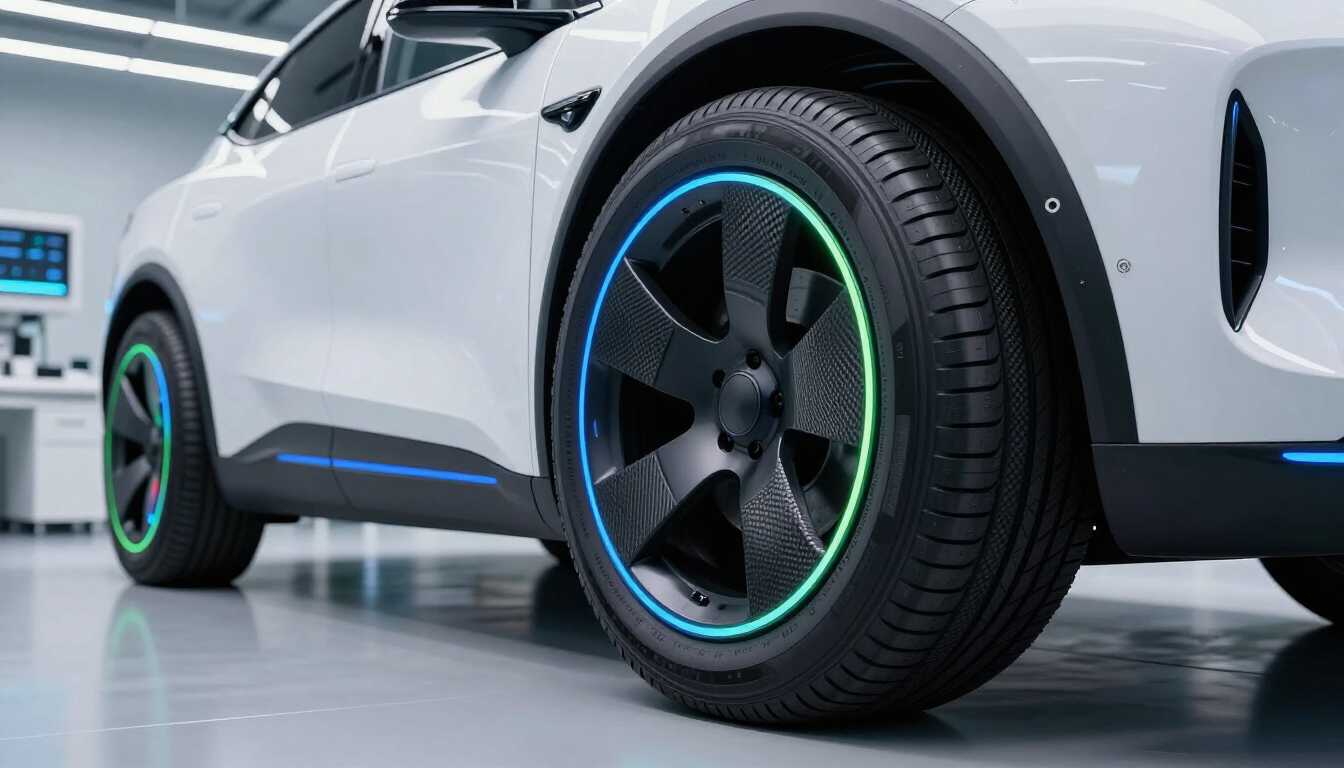
Imagine a world where you never have to worry about a flat tire or a blowout again. Airless tires are currently used on lawnmowers and some construction equipment, but they are being refined for passenger cars as we speak. They promise to be more sustainable, as they can be easily retreaded and don't require the same complex inner structures as pneumatic tires. As we move toward more electric vehicles , tire technology will continue to adapt to the unique weight and torque requirements of these modern machines.
Summary of Tire History Highlights
From the clattering iron bands of the 1800s to the high-tech, carbon-infused radials of today, the history of tires is a testament to human ingenuity. Each innovation—vulcanization, the pneumatic tube, the addition of carbon black, and the radial design—was driven by a desire for a smoother, safer, and more efficient journey. At Chapel Hill Tire, we are proud to be a part of this continuing story, helping our community navigate the roads with the best technology available.
Key Takeaways:
- Vulcanization was the turning point: Charles Goodyear made rubber practical for all weather conditions.
- Air changed everything: John Boyd Dunlop and the Michelin brothers moved us away from solid, jarring wheels.
- Color serves a purpose: Tires are black because carbon black makes them stronger and protects them from the sun.
- Innovation never stops: We are moving from radial tires toward airless and smart-tire technology.
- Maintenance is still king: No matter how advanced the tire, regular tire care tips and inspections are essential for safety.
If these tire history facts have you thinking about your own vehicle's rubber, we’re here to help. Whether you need to make an appointment for a quick check-up or you're ready to explore a new set of tire brands , our team is dedicated to treating you like family and keeping you rolling safely. Stop by any of our locations in Chapel Hill, Durham, Raleigh, or beyond, and let’s make sure your car's tires are ready for the next chapter of your journey.
Latest Posts
Frequently Asked Questions
What services is Chapel Hill Tire best known for?
Chapel Hill Tire is best known for expert tire sales and installation, wheel alignments, brake repair, preventative maintenance, state inspections, and full-service auto repair focused on safety and long-term performance.Do you offer free tire installation?
Yes. Chapel Hill Tire offers free tire installation when you purchase a set of four Michelin, Pirelli, or Uniroyal tires.What’s included with tire installation services?
Tire installation includes professional mounting and balancing, proper fitment, and ongoing tire care benefits such as lifetime rotations and flat repairs.Why is wheel alignment one of your most popular services?
Wheel alignment helps prevent uneven tire wear, improves steering control, and enhances fuel efficiency using precision alignment equipment.What brake services do you provide?
Brake services include inspections, brake pad and rotor replacement, brake fluid service, and ABS diagnostics to ensure safe stopping performance.Do you perform state vehicle inspections?
Yes. Chapel Hill Tire is certified to perform state vehicle inspections, checking safety and emissions components required for compliance.What preventative maintenance services do you offer?
Preventative maintenance services include oil changes, fluid services, battery testing, filter replacement, and comprehensive multi-point inspections.Can you diagnose check engine and warning lights?
Yes. Advanced diagnostic tools are used to identify issues triggering check engine, ABS, or other dashboard warning lights.Do you offer suspension and steering repair services?
Yes. Suspension and steering services address handling issues, uneven tire wear, noises, and ride comfort problems.What makes Chapel Hill Tire different from other auto service centers?
Chapel Hill Tire stands out for transparent pricing, ASE-certified technicians, premium tire deals with free installation, strong warranties, and a customer-first Drive Happy approach.