Choosing the right tires is one of the most critical decisions you'll make for your vehicle. Tires directly affect your car’s performance, safety, and fuel efficiency. With so many options on the market, it can be overwhelming to find the right set. This guide will walk you through the essential factors to consider when buying tires, whether you're looking for daily commuting, high-performance driving, or off-road adventures.
1. Understand Your Driving Needs
Before choosing tires, evaluate your driving habits. Where and how you drive will determine the type of tire that best suits your vehicle.
- City/Highway Driving: If you primarily drive in the city or on highways, comfort, noise reduction, and fuel efficiency should be your priorities. All-season or touring tires are ideal, offering smooth rides and long tread life.
- Performance Driving: For those who crave speed and precision, performance tires are designed with higher traction and handling capabilities, especially on dry roads. These tires are often used on sports cars or for spirited driving.
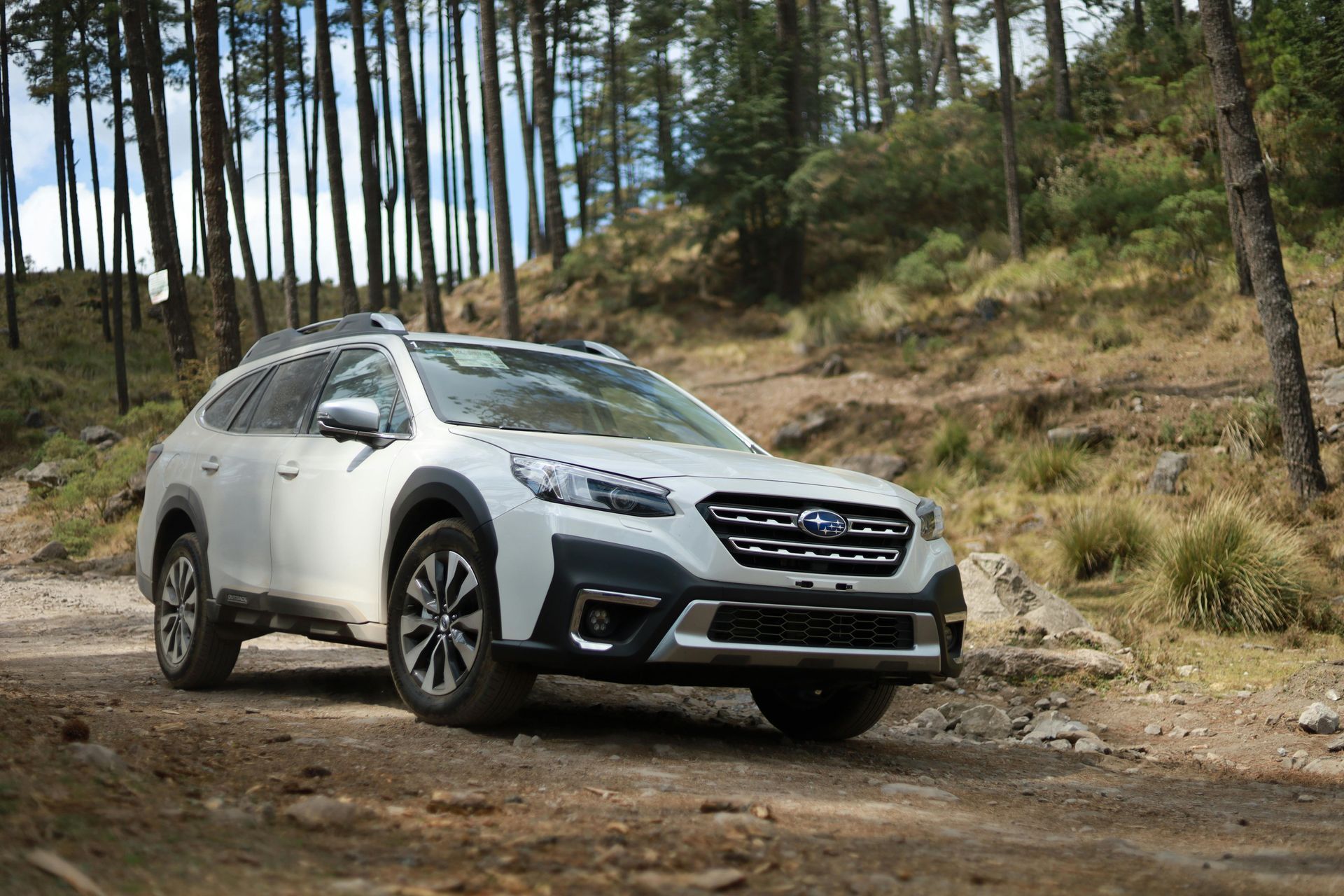
- Off-Roading: If your adventures take you off the beaten path, all-terrain or mud-terrain tires are built to tackle rugged landscapes. These tires have deeper treads and are made from durable materials to handle rocks, mud, and dirt.
- Winter Driving: If you live in a region with harsh winters, winter tires are a must. They are designed with softer rubber compounds that remain flexible in cold temperatures, providing better traction on snow and ice.
2. Know the Tire Types
Understanding the different types of tires is essential to ensure you choose the right one for your vehicle.
- All-Season Tires: These are the most common tires on the market and can handle a variety of conditions, from rain to light snow. They provide a balance between comfort, performance, and durability.
- Touring Tires: These tires are a subcategory of all-season tires but emphasize a quieter ride and more extended tread life. They’re a great choice for long-distance driving or road trips.
- Performance Tires: These tires are designed for enhanced handling and grip, particularly on dry roads. They often have stiffer sidewalls and larger contact patches, which improve cornering and braking performance.
- Winter Tires (Snow Tires): Winter tires have a unique tread design and are made from materials that perform best in cold weather. They’re essential for areas with heavy snowfall or icy roads.
- All-Terrain Tires: For drivers who mix on-road driving with off-road adventures, all-terrain tires provide a balance of on-pavement comfort and off-road durability.
- Mud-Terrain Tires: These are heavy-duty tires with aggressive tread patterns, designed specifically for off-road enthusiasts who frequently encounter muddy, rocky, or uneven terrain.
3. Check the Tire Size
Tire size is a crucial factor when buying new tires. You can find the recommended tire size for your vehicle in your owner's manual or on the tire placard located inside the driver’s side door.
Tire size is written in a format like this: P215/65R16. Here’s what it means:
- P: Type of tire (P stands for passenger vehicle)
- 215: Tire width in millimeters
- 65: Aspect ratio (the height of the tire’s sidewall as a percentage of the width)
- R: Radial construction
- 16: Wheel diameter in inches
Using the recommended size ensures optimal performance, safety, and fuel efficiency.
4. Tread Life and Warranty
Tires come with a treadwear rating, which is a good indicator of how long the tire will last. This rating can be found on the tire sidewall and is represented as a number (e.g., 400, 500). The higher the number, the longer the tire should last. Manufacturers often provide mileage warranties based on these ratings, so check the warranty terms before making a purchase.
- Short Tread Life (Performance Tires): Performance tires may have shorter tread life due to their softer rubber compounds, but they offer superior grip and handling.
- Long Tread Life (Touring Tires): If you’re looking for tires that can last upwards of 60,000-80,000 miles, touring tires are a great choice.
5. Budget Considerations
Your budget plays a significant role in the tire-buying decision. Tires can range from affordable options to high-end models. Here are a few things to keep in mind:
- Premium Tires: These are often more expensive but come with better performance, durability, and advanced technology.
- Mid-Range Tires: Mid-tier tires offer a balance between cost and performance, making them a popular choice for many drivers.
- Economy Tires: If you're on a budget, economy tires can be a good solution, though they may sacrifice some performance or longevity.
6. Consider Fuel Efficiency
Some tires are designed to improve fuel efficiency by reducing rolling resistance, which means the tire requires less energy (and fuel) to roll. If fuel economy is a priority, look for tires labeled as “low rolling resistance” or “eco-friendly.”
7. Noise and Comfort
Tire noise can significantly impact your driving experience. Performance tires tend to be louder because of their aggressive tread patterns, while touring or all-season tires typically offer a quieter and smoother ride. Consider tires with noise-reducing technology if cabin quietness is a priority for you.
8. Brand Reputation
Not all tire brands are created equal. Trusted tire manufacturers such as Michelin, Bridgestone, Goodyear, and Continental are known for producing reliable, high-quality tires. However, many lesser-known brands also offer good value for money. Research customer reviews and ratings to ensure the tires you’re considering meet your expectations.
9. When to Replace Your Tires
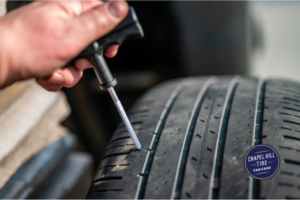
No matter the quality of your tires, they will eventually wear out. The general rule of thumb is to replace tires when the tread depth reaches 2/32 of an inch. Use the penny test to check: Insert a penny into the tire tread with Lincoln’s head upside down. If you can see all of Lincoln’s head, it’s time for new tires.
Also, consider tire age. Even if the tread is sufficient, tires can degrade over time. Experts recommend replacing tires every six years, even if they appear to be in good condition.
Conclusion
Choosing the right tires is more than just picking the right size. It’s about understanding your driving habits, the conditions you frequently face, and your vehicle’s needs. By considering these factors, you can ensure a smoother, safer, and more efficient driving experience.
Next time you’re in the market for new tires, remember: it’s an investment in your safety and driving comfort. Choose wisely!