Are Your Brakes Ready for the Winter Season?

Auto Shops Located in: Chapel Hill, Durham, Taleigh, Apex, and Cary North Carolina

January 3, 2020
Are Your Brakes Ready for the Winter Season?

How Does Cold Weather Affect Brakes?


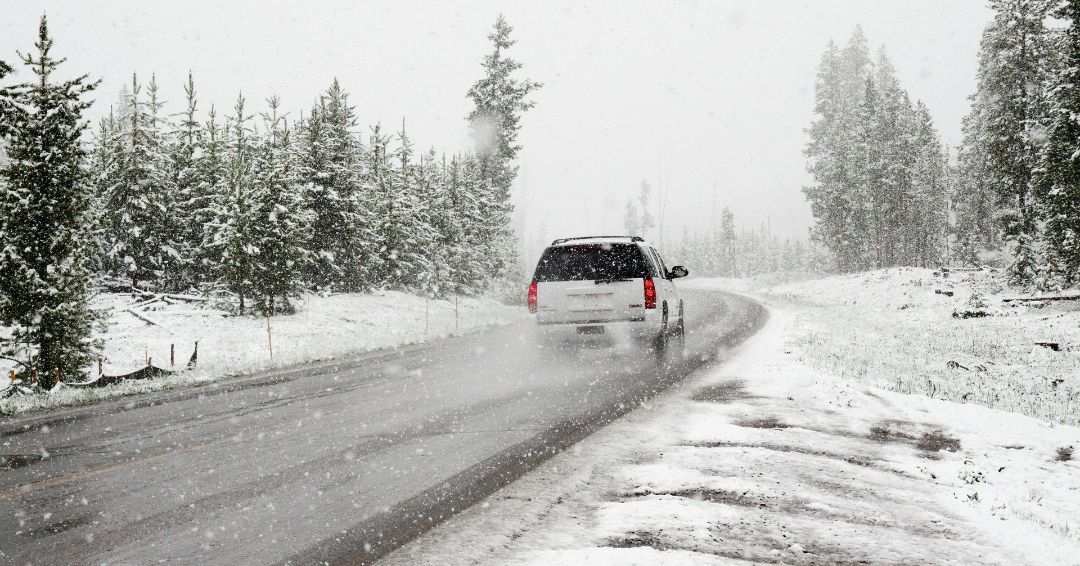
While your brake health is important year-round, worn brakes can be especially dangerous during the winter season. Because your brakes are essential to keeping you safe while on the road, the New Year is an ideal time to check your brake pads. Is your car ready for the cooler weather?


How Do Brake Pads Work?


Have you ever wondered how your vehicle can go from traveling at 70+ miles per hour to a complete stop at just the touch of your foot? This outstanding process is made possible by your vehicle’s braking system. The purpose of your brake pads is to provide the friction that it takes to slow and stop vehicular movement. Most brake pads are made of buffer material and durable metals like steel. When you press your foot to the brakes, your brake pads press against the turning rotor, which then slows and stops the wheels. Over time, this friction wears down on your brake pads, which is why they need regular replacements to stay in good working order. When there is little to no material left on your brake pads, your braking system does not have the buffer it needs to smoothly and effectively slow and stop the turning rotors.


How Frequently Do I Need New Brakes?


The cadence of brake pad replacements depends largely on your vehicle usage, your braking patterns, your tires, and the brand of brake pads you have. Your need for new brake pads can also be impacted by the climate of the area you live in, the road conditions, and the season. Generally, a brake pad begins with about 12 millimeters of friction material. You should have them replaced when 3 or 4 millimeters remain. For a more general estimate, the average brake pad change should happen every 50,000 miles. If you need help gauging whether or not you are due for  new brake pads or getting your replacement completed, contact the experts at Chapel Hill Tire.


Brake Function During Winter Weather


The colder weather and challenging road conditions can be especially taxing on your braking system. Because it is more difficult to slow and stop on icy roads, your brakes have to work harder to operate successfully. This can cause your system to wear more quickly in the winter. During the colder seasons, it is especially important that your brakes are in good health for these same reasons. Ignoring brake pad issues can result in damage to your braking system or can cause you to get in an accident when your vehicle has a difficult time stopping. This is why regular brake inspections and brake pad replacements are essential for keeping your vehicle functioning as it should and keeping you safe while on the road.


Visit Chapel Hill Tire


If you are in need of new brakes to prepare for the winter weather, visit the experts at Chapel Hill Tire! With 8 Triangle-area  locations, our professional mechanics proudly serve  Raleigh,  Durham,  Chapel Hill, and  Carrboro.  Schedule an appointment with the Chapel Hill Tire specialists today to get started!

We’ve got all your automotive repair needs covered.

A white Subaru Outback parked on a dirt path in a forest of tall, slender pine trees.
March 20, 2026
Experiencing uneven tire wear or pulling in your Subaru Outback? Learn the signs of alignment issues and get expert wheel alignment service at Chapel Hill Tire.
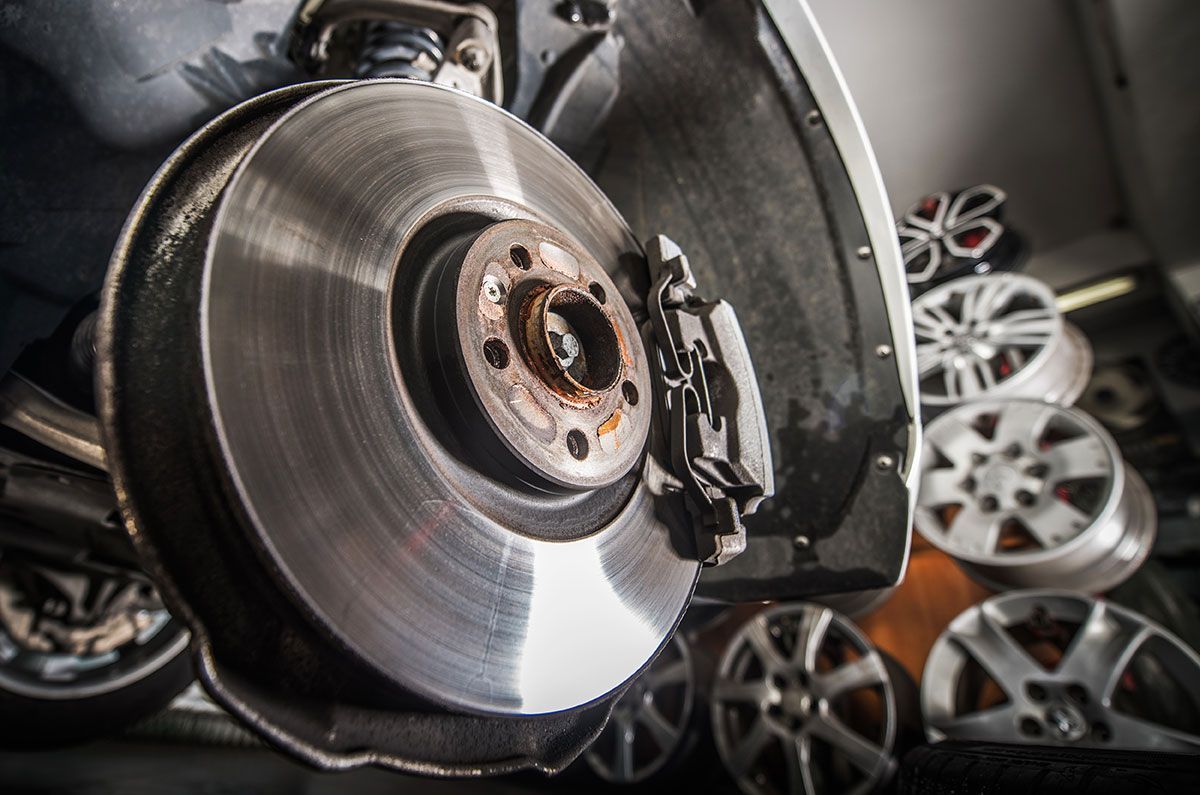
A car brake disc and caliper assembly in a garage, with several spare alloy wheels stacked in the blurred background.
March 20, 2026
Replacing brake pads? Learn when you need new rotors, why modern vehicles often require both, and get expert brake service at Chapel Hill Tire.
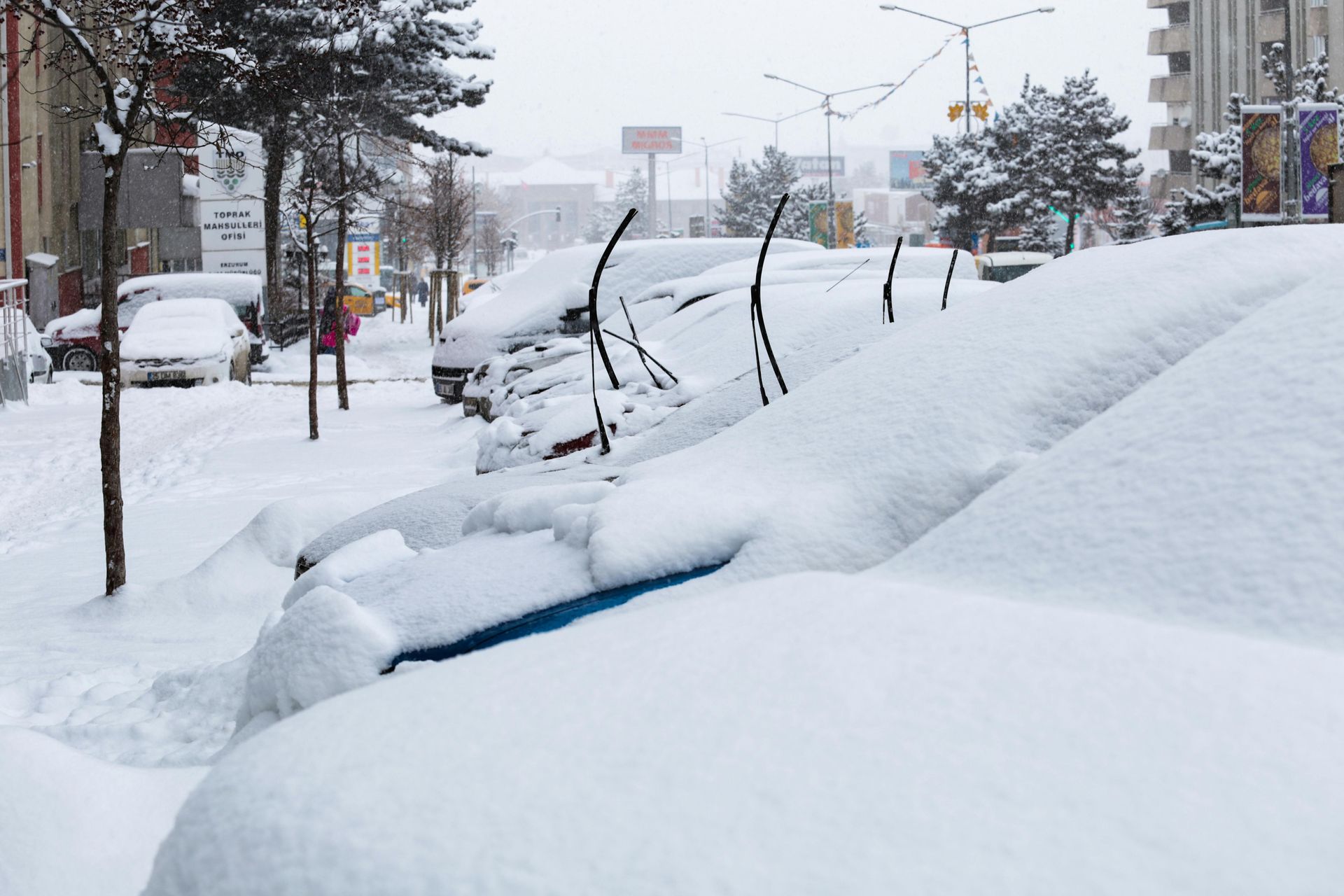
Cars buried under heavy snow on a street, winter scene.
By Chapel Hill Tire March 10, 2026
Cars from northern or coastal states often face salt-related rust and corrosion. Learn why sharing your car’s history helps your mechanic inspect, diagnose, and repair it more accurately.

Mechanic in blue overalls on phone, holding clipboard, near a reddish-orange car inside a garage.
By Chapel Hill Tire February 17, 2026
Learn how to describe car noises clearly, including what it sounds like, when it happens, and where it comes from, so your technician can diagnose and fix it faster.
Black BMW X3 SUV driving on a road next to a building.
February 11, 2026
Automakers are adding subscription fees for features like heated seats and remote start. Learn how vehicle subscription models affect ownership, costs, and maintenance.
Black Ford F-150 pickup truck parked in a car lot with other vehicles, sunny day.
February 9, 2026
Learn the most common Ford F-150 suspension problems, warning signs to watch for, and when to schedule professional suspension repair at Chapel Hill Tire.

White Nissan Sentra parked in a paved lot, with a yellow car in the background; palms trees and a building are visible.
January 27, 2026
Learn how often a Nissan Sentra needs an oil change, what affects oil life, and when to service it. Get expert oil change service at Chapel Hill Tire.

A technician with a laptop on a car roof discusses vehicle diagnostics with a customer in a repair shop.
January 19, 2026
Find out what a car inspection includes, why it matters, and how inspections help drivers in Raleigh avoid unexpected repairs.
Gray Volvo SUV driving on a road in a forest, with mountains in the background.
January 9, 2026
Is your Volvo XC90 making clunking or thumping noises? Learn the signs of engine mount failure and schedule a professional repair with Chapel Hill Tire.
Exterior of
January 7, 2026
Chapel Hill Tire has opened a new Baileywick location in Raleigh, NC. Enjoy expert auto repair, tire services, and a 3-year/36,000-mile warranty.
Show More