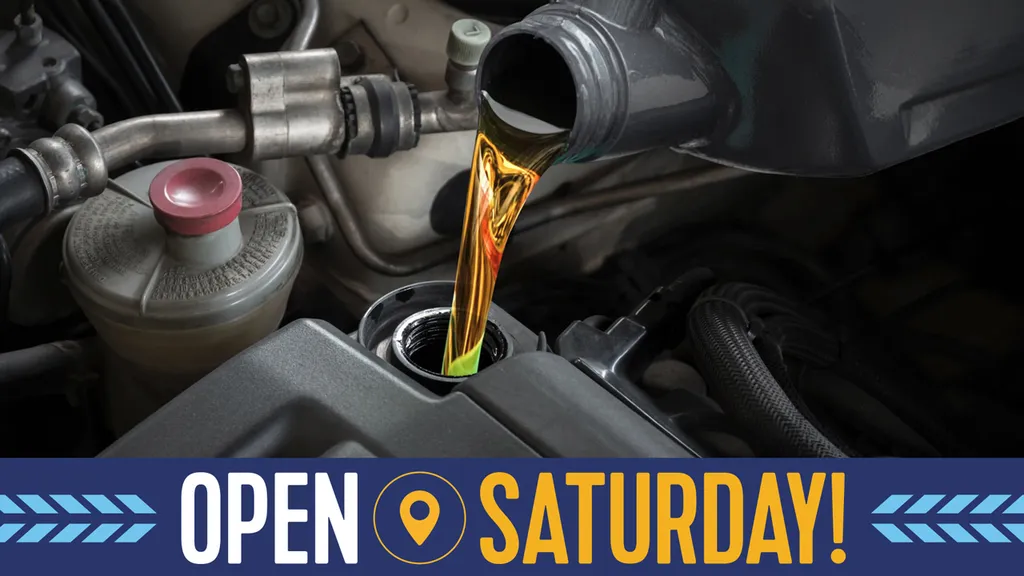
Saturday Oil Changes in Raleigh, Durham, Cary & Chapel Hill
Where to Get an Oil Change on Saturday in Raleigh, Durham, Cary and Chapel Hill…

Keep your tires in top condition with our professional TPMS services. A properly functioning TPMS not only helps extend tire life but also improves vehicle handling, decreases braking distances, and increases fuel efficiency. Schedule your TPMS check today to ensure your system is accurately monitoring tire pressure and alerting you to any potential safety issues.

The Tire Pressure Monitoring System (TPMS) helps drivers maintain proper tire inflation by continuously monitoring tire pressure and alerting when levels fall outside recommended ranges. Routine TPMS maintenance often includes checking tire pressure and adjusting it to the levels specified by the vehicle manufacturer. Maintaining correct tire pressure helps improve safety, fuel efficiency, and tire lifespan. Sensor battery checks may also be performed to ensure TPMS sensors continue transmitting accurate pressure readings. Regular TPMS inspections help maintain reliable monitoring and support consistent tire performance.
Advanced TPMS services may include system diagnostics and repairs for vehicles experiencing recurring TPMS warnings or sensor communication issues. A complete TPMS system evaluation may be recommended after tire or wheel replacements, especially when modifications affect sensor calibration. Custom TPMS configuration may also be required for aftermarket wheels or specialized tire setups that need precise recalibration. These services help ensure accurate pressure monitoring and proper system operation.
TPMS service needs can vary depending on sensor age, tire changes, driving conditions, and vehicle design. Some vehicles may only require routine tire pressure checks and occasional sensor battery replacement, while others may require system recalibration or sensor replacement. TPMS warning lights, inaccurate pressure readings, or sensor communication errors may indicate that service is needed. Seasonal temperature changes can also affect tire pressure and trigger TPMS alerts. A professional inspection helps determine the appropriate TPMS maintenance or repair needed to maintain accurate tire pressure monitoring.
TPMS service availability may vary depending on diagnostic equipment, sensor availability, and technician scheduling. Confirming service options in advance helps ensure the proper tools and components are available.
Schedule TPMS service online or contact a service advisor to discuss tire pressure monitoring system inspections, sensor maintenance, or TPMS diagnostics.

Drive with confidence knowing your Tire Pressure Monitoring System (TPMS) is in expert hands with our specialized diagnostics and repair services. Our skilled technicians utilize advanced tools and techniques to accurately diagnose and swiftly resolve TPMS issues. Trust us to keep your vehicle's tire pressure optimized for safety and performance on the road.

We use high-quality, OEM-approved sensors and parts for all TPMS repairs and replacements to maintain the integrity and reliability of your vehicle’s monitoring system.
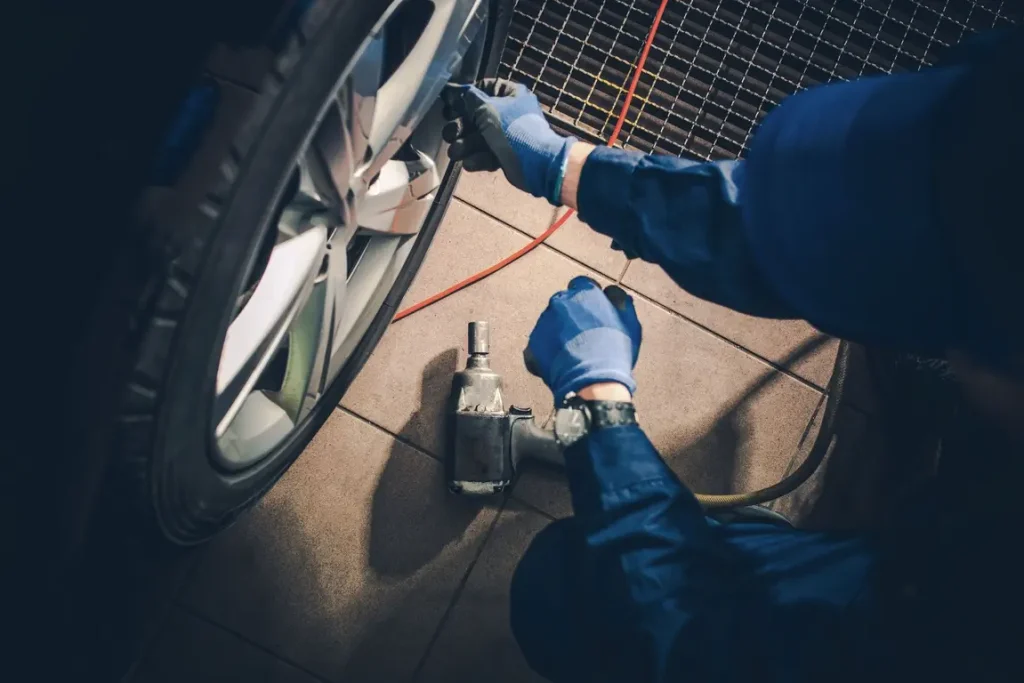
We value your time and ensure that our TPMS services are as efficient as possible. Quick diagnostics and repairs mean you can have your system checked and any necessary adjustments made in no time, minimizing your vehicle’s downtime.

Locate our trusted TPMS services in your area to maintain accurate tire pressure monitoring and enhance your driving safety. Don’t overlook the importance of a functioning TPMS. Book a comprehensive TPMS service with us today and drive with peace of mind. Your safety through accurate tire monitoring is our priority—act now!
The Tire Pressure Monitoring System (TPMS) is essential for monitoring tire pressure, but it can encounter several issues:
Regular maintenance, including sensor checks and recalibration, is crucial to keep the TPMS functioning correctly and ensuring safe driving conditions.
Where to Get an Oil Change on Saturday in Raleigh, Durham, Cary and Chapel Hill…

When you need replacement tires, a lower price can be appealing. We understand that tires…

If you’re wondering “How much does a North Carolina State Inspection cost?” the answer is…

At Chapel Hill Tire, we’re focused on making tire buying simpler, clearer, and more aligned…

When it’s time to replace your tires , many drivers default to the dealership. It…

The Subaru Outback is known for its reliability, all-wheel drive capability, and ability to handle…

If your mechanic recommends new brake pads, you might wonder: Do I also need to…

When bringing your vehicle in for service, most drivers focus on explaining the symptoms they’re…

Strange car noises can be stressful. Is that squeal something minor, or a sign of…
TPMS stands for Tire Pressure Monitoring System. It is an electronic system that monitors the air pressure inside the tires of a vehicle. TPMS uses sensors mounted in each tire or the vehicle’s wheel assembly to measure tire pressure. If the pressure drops below a certain threshold, the system alerts the driver through a warning light on the dashboard.
Maintaining proper tire pressure is crucial for vehicle safety, performance, and fuel efficiency. Underinflated tires can lead to decreased traction, increased stopping distances, tire wear, and the risk of blowouts. TPMS helps drivers stay informed about their tire pressure levels, allowing them to take corrective action promptly.
There are two main types of TPMS: direct TPMS and indirect TPMS. Direct TPMS uses sensors mounted inside each tire to directly measure tire pressure and transmit data to the vehicle’s onboard computer. Indirect TPMS relies on the vehicle’s anti-lock brake system (ABS) to monitor tire rotation speeds and detect changes in tire pressure indirectly.
Most modern vehicles manufactured after 2007 are equipped with TPMS as a standard safety feature. You can check your vehicle’s owner’s manual or look for the TPMS warning light on the dashboard when you start the vehicle. If you see a TPMS symbol illuminated, your vehicle is equipped with TPMS.
If the TPMS warning light comes on, it indicates that one or more tires may be underinflated. Pull over to a safe location and check the tire pressure using a tire pressure gauge. Inflate the tires to the recommended pressure levels as indicated on the tire placard located on the driver’s side door jamb or in the owner’s manual. If the light persists after inflating the tires, there may be a malfunction in the TPMS system, and it should be inspected by a professional technician.
Yes, TPMS sensors can be replaced if they are damaged or malfunctioning. However, it’s essential to ensure that the replacement sensors are compatible with your vehicle’s make and model. Professional installation may be required to program the new sensors to the vehicle’s TPMS system.
TPMS sensors do not typically require routine maintenance. However, if you replace your tires or wheels, it’s advisable to have the TPMS sensors inspected and serviced to ensure they are functioning correctly. Some vehicles may require TPMS sensor recalibration after tire rotations or replacements.
Yes, aftermarket wheels or tires can affect TPMS functionality if they are not compatible with the vehicle’s TPMS system. It’s essential to use TPMS-compatible wheels and tires when replacing or upgrading your vehicle’s tires and wheels to ensure proper TPMS operation.
TPMS systems are designed to provide accurate tire pressure readings within a certain range. However, it’s essential to regularly check tire pressure manually using a tire pressure gauge, as TPMS readings may vary slightly or be affected by factors such as temperature changes and driving conditions.
Maintaining proper tire pressure with the help of TPMS can contribute to improved fuel efficiency by reducing rolling resistance and minimizing energy loss due to tire underinflation. Properly inflated tires can help optimize fuel economy and reduce vehicle emissions.